How I Beat Stubborn Constipation—And What Actually Works
Constipation affects millions, yet many suffer in silence, not realizing simple changes can make a real difference. I’ve been there—feeling bloated, sluggish, and frustrated. But through small, science-backed shifts in habits, I finally found relief. This isn’t about extreme fixes; it’s about smart, sustainable prevention. Let’s explore what truly helps your gut stay balanced—naturally and consistently.
The Hidden Struggle: Why Constipation Is More Common Than You Think
Constipation is often dismissed as a minor inconvenience, but for millions of adults worldwide, it’s a persistent and uncomfortable condition that affects daily life. Medically, constipation isn’t just defined by not having a bowel movement every day. It includes symptoms such as straining during bowel movements, passing hard or lumpy stools, feeling incomplete after evacuation, or having fewer than three bowel movements per week. According to global health estimates, approximately 14% of adults experience chronic constipation, with higher rates among women and older adults. Despite its prevalence, many people do not seek help, often due to embarrassment or the mistaken belief that it’s an inevitable part of aging or lifestyle.
The rise in constipation cases parallels changes in modern living. Sedentary jobs, prolonged sitting, and reduced physical activity slow down intestinal motility—the natural contractions that move waste through the digestive tract. At the same time, the widespread consumption of processed foods—low in fiber and high in refined sugars and fats—further disrupts digestive rhythm. These dietary patterns, combined with irregular meal times and frequent eating on the go, deprive the gut of the consistent signals it needs to function efficiently. Even something as routine as skipping breakfast can delay the gastrocolic reflex, the body’s natural cue to eliminate waste after eating.
Chronic stress is another silent contributor. When the body remains in a prolonged state of stress, the autonomic nervous system suppresses non-essential functions, including digestion. This means the gut receives fewer signals to contract and move contents forward, leading to sluggish transit times. Additionally, many common medications—such as pain relievers, antacids containing aluminum or calcium, and certain antidepressants—can interfere with normal bowel function. Ignoring these symptoms over time can lead to complications, including hemorrhoids from repeated straining, anal fissures, or even a condition known as lazy bowel syndrome, where the colon becomes less responsive without stimulants.
Understanding constipation as more than occasional discomfort is the first step toward effective management. It is not something to simply endure. Recognizing the interplay of lifestyle, diet, and physiology helps frame constipation not as a personal failing, but as a signal that the body needs support. The good news is that most cases can be improved with targeted, evidence-based changes. Rather than relying on quick fixes, long-term relief comes from addressing root causes—many of which are within everyday control.
What Your Gut Is Really Telling You: Understanding Digestive Signals
The digestive system is a finely tuned network that begins the moment food enters the mouth and continues until waste is expelled. Each stage plays a crucial role in breaking down nutrients, absorbing what the body needs, and eliminating the rest. When this process slows, the body sends subtle but clear signals. Infrequent bowel movements, bloating, abdominal discomfort, and hard stools are not random occurrences—they are indicators that digestion is out of balance. Listening to these signals allows for early intervention before symptoms become chronic.
Digestion relies heavily on motility, the rhythmic contractions of muscles in the gastrointestinal tract that push food and waste along. This process is regulated by the enteric nervous system, often referred to as the “gut brain.” Comprising millions of neurons embedded in the walls of the digestive tract, this system operates largely independently of the central nervous system, coordinating digestion without conscious effort. However, it is highly sensitive to disruptions in diet, hydration, stress levels, and daily routines. When these factors are out of alignment, motility slows, leading to prolonged transit time and harder stools due to excessive water absorption in the colon.
One of the most common red flags is a change in bowel movement frequency. While the normal range varies from three times a day to three times a week, a consistent pattern is key. A sudden shift—such as going from daily movements to every few days—often signals an underlying issue. Similarly, stools that are lumpy, dry, or difficult to pass indicate insufficient hydration or fiber. Bloating and a feeling of fullness, even after light meals, suggest that gas and waste are not moving efficiently through the intestines. These symptoms, when occurring occasionally, may be due to temporary changes in diet or routine. However, when they persist for more than a few weeks, they may point to a chronic pattern that requires attention.
It’s also important to distinguish between occasional and chronic constipation. Everyone experiences digestive slowdowns from time to time—after travel, during periods of stress, or following a string of meals low in fiber. These episodes typically resolve with minor adjustments. Chronic constipation, on the other hand, is defined as symptoms lasting for three months or longer. At this stage, the issue is no longer situational but systemic, often requiring a more structured approach to restore balance. Recognizing this shift helps prevent reliance on short-term solutions like laxatives, which may offer temporary relief but do not address the root cause.
Hydration Hacks That Move Things Along
Water is one of the most powerful yet underutilized tools for maintaining regular bowel function. It plays a critical role in softening stool and supporting the action of dietary fiber. When fiber absorbs water, it swells and adds bulk to the stool, making it easier to pass. Without adequate fluid, fiber can have the opposite effect—drawing water from the colon and leading to harder, drier stools that are difficult to eliminate. This is why increasing fiber intake without also increasing water consumption can sometimes worsen constipation.
Yet, many people drink fluids regularly without realizing that not all hydration is equally effective. The timing, temperature, and type of beverage matter. For instance, drinking a glass of warm water first thing in the morning can stimulate the gastrocolic reflex, triggering the urge to move the bowels. This simple habit takes advantage of the body’s natural rhythm and can be especially helpful for those who struggle with morning sluggishness. Herbal infusions such as peppermint, ginger, or fennel tea not only contribute to fluid intake but also have mild soothing effects on the digestive tract, helping to relax intestinal muscles and reduce bloating.
Monitoring urine color is a practical way to assess hydration status. Pale yellow urine typically indicates proper hydration, while darker yellow or amber suggests the body needs more fluids. Many adults operate in a state of mild dehydration without realizing it, particularly if their primary beverages include caffeine or alcohol. Both substances have diuretic effects, meaning they increase fluid loss through urine. While moderate consumption is generally safe, excessive intake—especially without compensating with additional water—can deplete the body’s fluid reserves and contribute to constipation.
Building sustainable hydration habits doesn’t require drastic changes. Starting the day with a glass of water, carrying a reusable bottle, and setting reminders to drink throughout the day can make a significant difference. Sipping water consistently is more effective than consuming large amounts at once, as the body can only absorb so much fluid at a time. For those who find plain water unappealing, adding a slice of lemon, cucumber, or a few berries can enhance flavor without added sugar. The goal is not just to drink more, but to drink wisely—supporting the digestive system with the right kind of hydration at the right times.
Fiber: The Right Kind, Right Time, Right Way
Dietary fiber is widely recognized as essential for digestive health, but not all fiber is the same. There are two main types—soluble and insoluble—each playing a distinct role in bowel regularity. Soluble fiber dissolves in water to form a gel-like substance, which softens stool and helps regulate digestion. It is found in foods like oats, apples, citrus fruits, beans, and chia seeds. Insoluble fiber, on the other hand, does not dissolve. It adds bulk to stool and helps it move more quickly through the intestines. Good sources include whole grains, leafy greens, nuts, and the skins of fruits and vegetables.
A balanced intake of both types is key to maintaining healthy bowel function. Soluble fiber helps manage blood sugar and cholesterol levels while supporting the growth of beneficial gut bacteria. Insoluble fiber promotes regularity by preventing stool from becoming too compact. Most health guidelines recommend that women consume about 25 grams of fiber per day and men about 38 grams, though many fall short of these targets. Processed foods, which dominate many modern diets, are typically stripped of their natural fiber content, making it difficult to meet daily needs without intentional food choices.
One common mistake is drastically increasing fiber intake overnight. While the intention is good, doing so without gradual adjustment can lead to gas, bloating, and even worsened constipation. The digestive system needs time to adapt to higher fiber levels. A better approach is to add fiber slowly—starting with an extra serving of vegetables or a small portion of legumes each day—and pairing each increase with more water. This allows the gut microbiome to adjust and ensures that fiber works as intended, rather than causing discomfort.
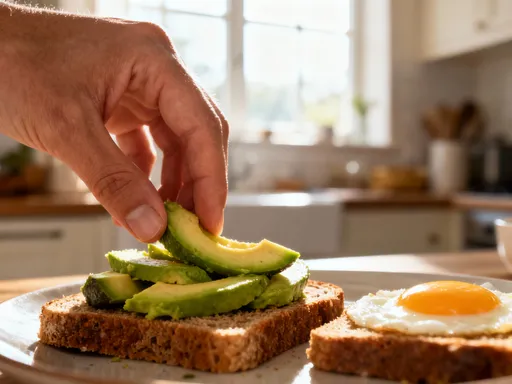
Meal planning can make fiber integration easier. Simple swaps—such as choosing whole grain bread instead of white, adding beans to soups, or snacking on fruit and nuts—can significantly boost daily intake. Breakfast is an excellent opportunity to start strong: a bowl of oatmeal topped with berries and chia seeds provides both soluble and insoluble fiber. Lunch and dinner can include generous portions of vegetables, especially cruciferous types like broccoli and Brussels sprouts, which are rich in fiber and other nutrients. By making fiber a consistent part of the diet, rather than a last-minute addition, the body learns to expect and process it efficiently.
Movement as Medicine: How Exercise Keeps You Regular
Physical activity is a natural and effective way to support digestive health. Movement stimulates peristalsis—the wave-like contractions of intestinal muscles that propel waste through the digestive tract. Even moderate exercise, such as a daily walk, can enhance bowel motility and reduce transit time. For individuals with sedentary lifestyles, incorporating regular movement is one of the most impactful changes they can make to prevent and relieve constipation.
Exercise benefits the gut in multiple ways. It improves blood flow to the digestive organs, delivering oxygen and nutrients that support optimal function. It also helps regulate hormones and reduces stress, both of which influence digestion. Activities that engage the core muscles—such as walking, yoga, swimming, or light strength training—can have a gentle massaging effect on the intestines, encouraging movement of contents. Twisting poses in yoga, for example, are often recommended for digestive support because they compress and release the abdominal organs, stimulating circulation and motility.
The timing of movement also matters. Going for a walk after meals, especially dinner, can aid digestion by activating the body’s natural digestive rhythm. This practice, common in many cultures, helps prevent the stagnation that occurs when sitting or lying down immediately after eating. Even 10 to 15 minutes of light activity can make a difference. For those with busy schedules, breaking movement into shorter sessions—such as three 10-minute walks throughout the day—can be just as effective as a single longer workout.
Consistency is more important than intensity. While vigorous exercise has benefits, even low-impact activities, when done regularly, support long-term digestive health. The goal is to make movement a daily habit, not an occasional event. Over time, the body responds with more predictable bowel patterns. For older adults or those with mobility limitations, chair exercises, stretching, or water-based activities can still provide meaningful benefits. The key is finding enjoyable forms of movement that can be sustained over time, turning physical activity into a natural part of life rather than a chore.
Mind-Gut Connection: Stress, Rhythm, and Bathroom Habits
The link between the mind and the gut is both real and powerful. The vagus nerve, a major component of the parasympathetic nervous system, connects the brain to the digestive tract and plays a crucial role in regulating digestion. When the body is relaxed, the vagus nerve sends signals that promote digestion, including increased enzyme production and intestinal contractions. However, during periods of chronic stress, the body shifts into “fight or flight” mode, suppressing these functions and slowing down digestion. This can lead to delayed gastric emptying and reduced bowel motility, contributing to constipation.
Emotional stress is not the only factor—daily routines matter just as much. The digestive system thrives on consistency. Eating meals at regular times, going to bed and waking up at similar hours, and establishing a morning bathroom routine can all help train the body to expect and respond to natural elimination cues. Ignoring the urge to go, whether due to a busy schedule or lack of privacy, can weaken the body’s signals over time. When this happens, the colon absorbs more water from the stool, making it harder and more difficult to pass.
Creating a calm, distraction-free bathroom environment can improve bowel habits. Rushing, multitasking, or feeling anxious while on the toilet can interfere with the body’s ability to relax and release. Simple changes—such as allowing enough time, sitting in a comfortable position (sometimes aided by a small footstool to elevate the knees), and avoiding phone use—can make elimination easier. Mindfulness practices, such as deep breathing or gentle abdominal massage, can also help activate the parasympathetic nervous system and encourage bowel movement.
Building a healthy bowel rhythm takes time and patience. It involves aligning lifestyle habits with the body’s natural tendencies. Responding to urges promptly, managing stress through techniques like meditation or walking, and maintaining a consistent daily schedule all contribute to long-term digestive wellness. These habits may seem small, but their cumulative effect is significant. Over time, the gut learns to function more efficiently, reducing the need for external interventions.
Prevention Over Cure: Building a Long-Term Gut-Healthy Lifestyle
Sustainable digestive health is not achieved through quick fixes but through consistent, everyday choices. The most effective approach integrates hydration, fiber, movement, and mindful habits into a cohesive routine. Drinking water throughout the day, especially in the morning, supports fiber function and keeps stools soft. Eating a diet rich in whole grains, fruits, vegetables, and legumes provides the necessary fiber to maintain regularity. Daily physical activity, even in small amounts, keeps the digestive system active and responsive. And managing stress through routine, relaxation, and proper bathroom habits ensures that the mind-gut connection remains strong.
Perfection is not the goal—consistency is. It’s normal to have occasional off days due to travel, illness, or changes in routine. What matters is returning to healthy habits as soon as possible. Over time, these choices become second nature, reducing the likelihood of constipation and promoting overall well-being. It’s also important to recognize when symptoms persist despite lifestyle changes. Chronic constipation that does not improve with diet, hydration, and exercise may indicate an underlying medical condition, such as irritable bowel syndrome, thyroid dysfunction, or pelvic floor disorders. In such cases, professional evaluation is essential to rule out other causes and receive appropriate care.
Empowerment comes from understanding that small, intentional actions today can prevent larger health issues tomorrow. Digestive health is not just about comfort—it’s a reflection of overall wellness. By listening to the body, making informed choices, and building routines that support natural function, it is possible to achieve lasting relief. The journey may begin with a single glass of water or a short walk, but it leads to a stronger, more resilient digestive system. And for anyone who has struggled in silence, that relief is not just physical—it’s deeply emotional and profoundly life-changing.