How I Fixed My Hair Without Fancy Products – A Simple Body-First Approach
Hair troubles? I’ve been there—thin strands, breakage, constant shedding. After years of chasing miracle shampoos, I realized the real fix wasn’t on my scalp, but in my body. What if healthier hair starts from within? This is my journey of repairing hair by healing my body, using simple, science-backed changes anyone can try. No hype, just real shifts that made a noticeable difference. It wasn’t a single product or overnight transformation, but a series of consistent, gentle choices that allowed my body to restore balance. And over time, my hair began to reflect that change—thicker, stronger, and more resilient than it had been in years.
The Hair Crisis No One Talks About
Many women in their 30s, 40s, and beyond quietly battle with hair that no longer behaves the way it used to. Strands feel thinner, break more easily, and brushing can leave behind more than a few stray hairs. Growth seems slower, and the mirror often reflects a version of oneself that feels less vibrant. These concerns are not vanity—they are signs of deeper shifts happening within the body. Yet, most of the conversation around hair health centers on external solutions: shampoos promising volume, serums claiming to strengthen, or treatments that coat the hair in synthetic protection. The reality is, while these products may offer temporary improvement, they rarely address the root cause of the problem.
What’s often overlooked is that hair is a reflection of internal health. Each strand grows from a follicle fed by blood vessels, influenced by hormones, and built from nutrients absorbed through the digestive system. When the body is under stress, lacking key nutrients, or dealing with imbalances, hair is one of the first things to show it. Thinning or shedding is not just a cosmetic issue—it’s a signal. Unfortunately, many women internalize this signal as personal failure, believing they’re not trying hard enough or using the right products. This mindset can lead to frustration, wasted money, and a cycle of hope followed by disappointment.
The shift begins when we stop seeing hair as a separate entity and start viewing it as part of a whole-body system. The scalp is not isolated from the rest of the body—it is connected by circulation, nerves, and biochemical pathways. When we treat hair problems as isolated scalp issues, we miss the bigger picture. The truth is, lasting improvement comes not from layering on more products, but from supporting the body’s natural ability to grow and maintain healthy hair. This requires a change in perspective: from surface to substance, from quick fixes to sustainable care.
Why Your Body Holds the Key to Hair Repair
To understand why internal health matters so much, it helps to look at how hair actually grows. The hair growth cycle consists of three phases: anagen (growth), catagen (transition), and telogen (resting). At any given time, about 85 to 90 percent of hair follicles are in the anagen phase, actively producing new strands. The length and strength of this phase depend on a steady supply of nutrients, balanced hormones, and healthy blood flow to the scalp. When the body is under strain—whether from stress, illness, or poor nutrition—the growth phase can shorten, and more hairs may shift into the resting phase, leading to increased shedding.
Nutrients play a foundational role. Keratin, the protein that makes up hair, is built from amino acids derived from dietary protein. Without sufficient intake, the body prioritizes essential functions over hair growth, leading to weaker, thinner strands. Similarly, vitamins and minerals like iron, zinc, and vitamin D are critical for follicle function. Iron deficiency, for example, is a well-documented contributor to hair loss, particularly in women of reproductive age. Hormones, especially thyroid hormones and sex hormones like estrogen and progesterone, also regulate the hair cycle. Imbalances in these systems can disrupt normal growth patterns, often resulting in diffuse thinning or changes in texture.
Blood circulation is another key factor. The scalp, like any other tissue, relies on oxygen and nutrients delivered through the bloodstream. Poor circulation—often linked to sedentary lifestyles or cardiovascular health issues—can impair follicle function. This is why activities that improve circulation, such as regular movement or scalp massage, can support hair health. The body is designed to heal and renew itself when given the right conditions. External products may clean, condition, or protect the hair shaft, but they cannot influence the biological processes that determine whether a follicle thrives or struggles. True repair begins from within, by creating an internal environment where hair can grow strong and sustain itself over time.
The Hidden Culprits Sabotaging Your Hair
Modern life often works against the very conditions hair needs to flourish. Chronic stress, for example, triggers the release of cortisol, a hormone that, in excess, can disrupt the hair growth cycle. Many women report noticeable shedding three to six months after a major stressful event—whether it’s a job change, family crisis, or illness. This delayed response can make it hard to connect the dots, but the body remembers. Sleep is another critical factor. During deep sleep, the body repairs tissues, balances hormones, and regenerates cells. Without consistent, quality rest, these processes are compromised, and hair health often pays the price.
Diet plays a major role, yet many women unknowingly eat in ways that undermine their hair. Processed foods high in sugar and refined carbohydrates can promote inflammation, which has been linked to a range of health issues, including poor scalp health. The gut, often called the “second brain,” influences nutrient absorption and immune function. An imbalanced gut microbiome may reduce the body’s ability to extract and utilize key vitamins and minerals, even if they’re present in the diet. This is why some women eat what seems like a healthy diet but still experience deficiencies that affect their hair.
Extreme dieting or restrictive eating patterns are particularly damaging. When calorie intake drops too low, the body enters a conservation mode, slowing down non-essential functions like hair growth. Deficiencies in iron, zinc, biotin, and vitamin B12 are common in those who eliminate entire food groups without proper planning. Even seemingly healthy trends—like cutting out all animal products without adequate substitutes—can lead to nutrient gaps. The body adapts to scarcity, but not in ways that support vibrant hair. These factors don’t always cause immediate, dramatic changes, but over time, they accumulate, creating an internal environment where hair struggles to thrive.
Food as Hair Fuel: What Actually Works
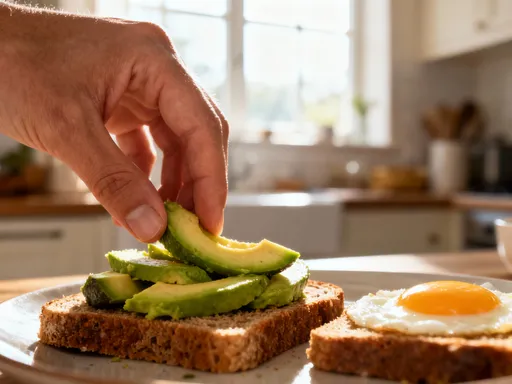
When it comes to supporting hair from the inside, food is the most powerful tool. The right nutrients provide the building blocks for strong, shiny strands and a healthy scalp. Protein is essential—hair is made of keratin, a type of protein, so a diet lacking in high-quality protein sources can lead to brittle, slow-growing hair. Including a source of protein at every meal—such as eggs, Greek yogurt, chicken, fish, lentils, or tofu—helps ensure a steady supply of amino acids.
Fats are also important, especially omega-3 fatty acids, which support scalp hydration and reduce inflammation. Fatty fish like salmon, mackerel, and sardines are excellent sources. For those who don’t eat fish, flaxseeds, chia seeds, and walnuts offer plant-based omega-3s. Vitamins play diverse roles: vitamin A helps produce sebum, the scalp’s natural conditioner; vitamin C supports collagen production and iron absorption; vitamin D is linked to follicle health; and vitamin E acts as an antioxidant, protecting hair from damage. Iron and zinc are minerals that directly influence hair growth and repair—low levels are strongly associated with hair loss.
A realistic, balanced approach works best. Instead of overhauling the entire diet overnight, small, sustainable changes can make a difference. Start by adding a handful of spinach to a morning smoothie, sprinkling pumpkin seeds on a salad, or swapping sugary snacks for a piece of fruit with nut butter. A typical day might include oatmeal with berries and almonds for breakfast, a lunch salad with grilled chicken and avocado, a snack of Greek yogurt with chia seeds, and baked salmon with sweet potatoes and broccoli for dinner. Staying hydrated is equally important—water supports every bodily function, including nutrient delivery to the scalp. Consistency matters more than perfection; eating well most of the time creates the foundation for long-term improvement.
Daily Habits That Support Hair from the Inside
Nutrition is just one piece of the puzzle. Daily routines shape the body’s internal environment in profound ways. Sleep is non-negotiable—aiming for seven to eight hours of quality rest each night allows the body to repair and rebalance. Establishing a calming bedtime routine, such as turning off screens an hour before bed, drinking herbal tea, or reading, can improve sleep quality over time. When the body rests deeply, hormone levels stabilize, and tissue regeneration increases, creating better conditions for hair growth.
Stress management is equally important. Chronic stress keeps the body in a state of alert, which over time can deplete resources needed for hair health. Simple practices like walking in nature, deep breathing, or gentle stretching can help activate the body’s relaxation response. Movement, in any form, also improves circulation, delivering more oxygen and nutrients to the scalp. Whether it’s a daily walk, yoga, or dancing in the kitchen, regular physical activity supports overall well-being and, by extension, hair health.
Gentle scalp care can complement internal efforts. Massaging the scalp for a few minutes each day increases blood flow and can be a soothing ritual. Use fingertips, not nails, and consider doing it while shampooing or before bed. Avoiding harsh treatments—such as excessive heat styling, tight hairstyles, or chemical processing—helps prevent breakage and gives hair a chance to recover. The goal is not to eliminate all styling, but to be mindful of how these practices affect hair strength over time. Small, consistent habits accumulate, creating a supportive environment where hair can thrive.
When to Seek Professional Guidance
While lifestyle changes can make a significant difference, it’s important to recognize when professional input is needed. Hair loss that is sudden, patchy, or accompanied by other symptoms—such as fatigue, weight changes, or skin issues—may indicate an underlying medical condition. Thyroid disorders, hormonal imbalances, or autoimmune conditions can all affect hair health. A healthcare provider can order blood tests to check levels of iron, vitamin D, thyroid hormones, and other markers to identify potential causes.
Seeing a doctor does not mean personal failure—it means taking care of oneself with the full range of available tools. Sometimes, lifestyle changes are enough; other times, they work best alongside medical treatment. For example, correcting a thyroid imbalance with medication, combined with improved nutrition and stress management, can lead to better outcomes than either approach alone. The goal is not to self-diagnose, but to listen to the body and seek support when needed.
It’s also worth noting that hair growth is slow—typically about half an inch per month. Changes may take several months to become visible, so patience is essential. A healthcare provider can help set realistic expectations and track progress over time. This journey is not about perfection, but about progress. By combining self-care with professional guidance, women can address hair concerns with both compassion and clarity.
Real Results, Real Time: What Changed for Me
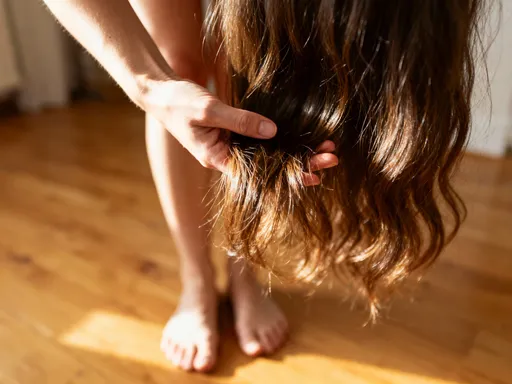
After committing to these changes for three to four months, I began to notice real differences. The constant shedding slowed. My hair felt thicker when I ran my fingers through it, and when I tied it up, the ponytail looked fuller. Breakage decreased, and new growth at the hairline became visible. These weren’t dramatic changes overnight, but they were consistent and unmistakable. The most meaningful shifts were not just physical—they were emotional. I no longer dreaded brushing my hair. I felt more confident, not because my hair was perfect, but because I had taken steps to care for my body in a sustainable way.
I didn’t eliminate all my hair products, but I stopped relying on them as a solution. Instead, I viewed them as complementary to a deeper foundation of health. The process taught me to be patient and kind to myself. There were days I didn’t sleep well, meals I didn’t plan perfectly, and moments I felt discouraged. But the overall direction was upward. Healing is not linear, but with consistent effort, the body responds. My hair became a reflection of that effort—not because I fixed it, but because I supported the body’s natural ability to heal itself.
This journey is not about achieving a particular look, but about cultivating a relationship with one’s body based on respect and care. When we shift the focus from appearance to health, the results often exceed expectations. Hair becomes stronger, but so does overall energy, mood, and resilience. The changes go beyond the mirror—they touch every part of life.
Healthy hair isn’t about the most expensive serum—it’s a sign of a well-supported body. By shifting focus from surface fixes to internal care, real transformation becomes possible. This isn’t a quick fix, but a lasting change. When you treat your body with care, your hair often responds in ways products never could.