How I Slowed Down Aging with Simple Daily Habits — A Real Long-Term Journey
What if aging wasn’t just about time, but how you live? For years, I chased quick fixes, only to realize true anti-aging starts with lifestyle. It’s not magic—it’s consistency. This is what changed for me: more energy, clearer skin, better sleep. I’m sharing what actually worked, not overnight, but over years. Because lasting change? It grows quietly.
The Wake-Up Call: Realizing Aging Isn’t Just Skin Deep
It wasn’t a single mirror moment that shifted my perspective—it was a series of small, persistent signs that something was off. At 42, I found myself tired by mid-afternoon, even after a full night’s sleep. My shoulders ached more frequently, and I noticed I no longer bounced back quickly after a long day or a weekend hike. My skin, once resilient, seemed drier, less elastic. I’d always associated aging with visible changes—fine lines, graying hair—but what surprised me was how it showed up in how I felt: slower, heavier, less vibrant.
This was the beginning of understanding the difference between chronological age and biological age. Chronological age is simply the number of years you’ve lived. Biological age, however, reflects how well your body functions at the cellular level. It’s influenced by lifestyle, environment, and daily habits. Research suggests that two people the same chronological age can have biological ages differing by a decade or more. This realization was empowering. It meant aging wasn’t just an inevitable decline—it was something I could influence.
For too long, I’d treated my body like a machine I could push without maintenance. I skipped meals, survived on coffee, and thought exercise was only for weight control. I didn’t connect those choices to long-term health. But science now shows that aging begins at the cellular level much earlier than most people assume—sometimes in our late 20s or early 30s. Factors like oxidative stress, inflammation, and telomere shortening (the protective caps on the ends of chromosomes) play a major role. The good news? These processes are responsive to lifestyle. What I learned is that anti-aging isn’t about erasing wrinkles. It’s about supporting your body’s ability to repair, regenerate, and function optimally for as long as possible.
Mindset First: Why Long-Term Thinking Beats Quick Fixes
The modern world conditions us to expect fast results. We want weight loss in two weeks, glowing skin in seven days, energy boosts in a single pill. But the truth is, real health transformation doesn’t follow a viral trend. It unfolds slowly, quietly, over months and years. I learned this the hard way—after trying fad diets, expensive serums, and intense workout programs that left me exhausted and discouraged. Each one promised a shortcut, but none delivered lasting change.
What finally worked wasn’t a dramatic overhaul. It was a shift in mindset—from chasing perfection to embracing progress. I began to think in terms of compound benefits, much like compound interest in finance. Small, consistent actions—drinking more water, walking daily, going to bed earlier—may seem insignificant on their own. But over time, they build upon each other, creating a foundation of health that becomes stronger with each passing month.
This long-term approach also helped me reframe my relationship with aging. Instead of fearing it, I began to see it as a natural process I could support. Anti-aging, I realized, isn’t about stopping time. It’s about improving the quality of the years ahead. It’s about having the energy to play with grandchildren, the strength to travel, the mental clarity to stay engaged in life. When you focus on long-term well-being rather than short-term appearance, the motivation changes. You’re no longer doing it to look younger. You’re doing it to feel better, to live fully, to stay independent and active as the years go by.
Move Every Day: How Natural Movement Slows Aging
One of the most powerful anti-aging tools I discovered wasn’t in a bottle or a clinic—it was in my own two feet. Movement, in its simplest form, became a cornerstone of my daily routine. I didn’t need a gym membership or a personal trainer. What mattered was consistency: moving my body every single day, in ways that felt good and sustainable.
Sedentary behavior is one of the most significant accelerators of biological aging. Sitting for long periods slows metabolism, weakens muscles, and reduces circulation. Over time, this contributes to insulin resistance, joint stiffness, and loss of muscle mass—a condition known as sarcopenia, which begins as early as age 30 and accelerates after 50. But the body is designed to move. Regular physical activity helps preserve muscle, supports joint health, and keeps the cardiovascular system strong.
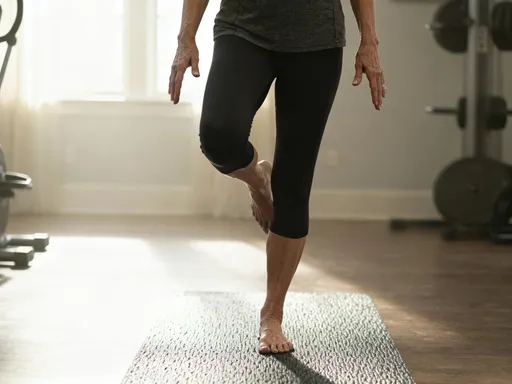
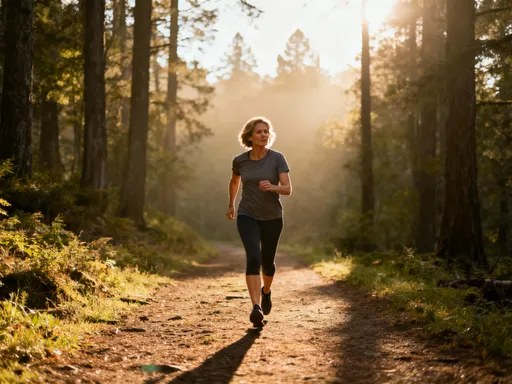
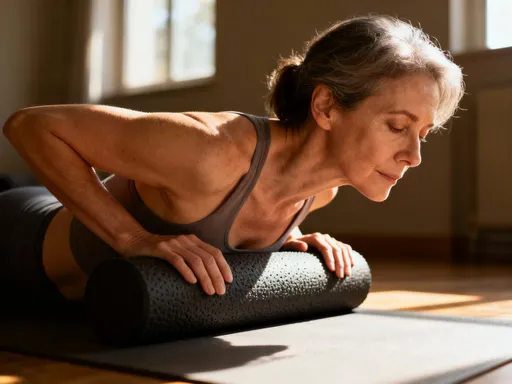
My approach wasn’t about intense workouts or tracking every step. It was about integrating movement into my daily life. I started with walking—30 minutes most days, often after dinner. I took phone calls while pacing the house. I did gentle stretching in the morning and before bed. I stood while reading or folding laundry. These small shifts added up. Over time, I noticed improvements not just in my stamina, but in my posture, balance, and even my mood. Movement became less of a chore and more of a daily gift to my body.
The benefits extend beyond the physical. Exercise stimulates the release of endorphins, which naturally reduce stress and improve sleep. It also supports brain health by increasing blood flow and promoting the growth of new neural connections. For women in midlife and beyond, maintaining strength and mobility isn’t just about appearance—it’s about independence. The ability to carry groceries, climb stairs, or get up from a chair without assistance is directly linked to daily movement habits. By making movement a non-negotiable part of my routine, I wasn’t just slowing aging—I was investing in a more active, capable future.
Eat for Longevity: Real Food, Real Results
Diet is another pillar of long-term health, and I learned that it’s not about restrictive diets or chasing the latest superfood. It’s about building a sustainable eating pattern centered on whole, nutrient-dense foods. The goal isn’t perfection—it’s progress, one meal at a time.
Processed foods, high in refined sugars, unhealthy fats, and additives, contribute to chronic inflammation—a key driver of aging. Inflammation damages cells, accelerates skin aging, and increases the risk of age-related conditions like heart disease and type 2 diabetes. In contrast, a diet rich in vegetables, fruits, whole grains, quality proteins, and healthy fats supports cellular repair and reduces oxidative stress.
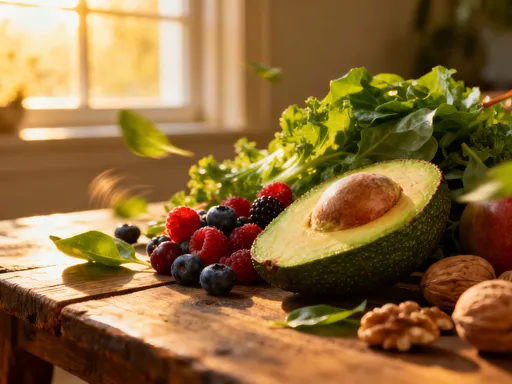
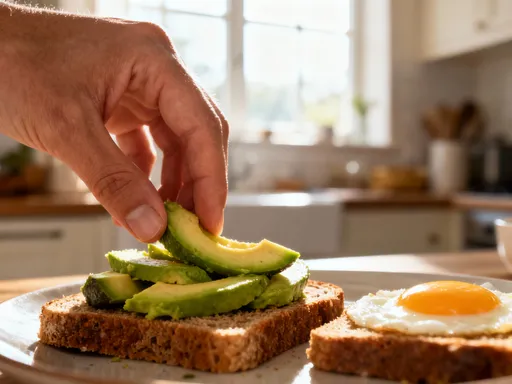
I began by making simple swaps. Instead of sugary cereals, I chose oatmeal with berries and nuts. I replaced soda with water or herbal tea. I added more leafy greens to my meals and made vegetables the centerpiece of my plate. I chose lean proteins like fish, beans, and chicken over processed meats. These changes weren’t drastic, but they made a noticeable difference in how I felt—less bloating, more stable energy, fewer afternoon crashes.
Hydration and fiber, often overlooked, became essential parts of my routine. Drinking enough water supports skin elasticity, digestion, and kidney function. Fiber, found in vegetables, fruits, legumes, and whole grains, feeds the gut microbiome, which plays a growing role in immune health and inflammation control. I didn’t count calories or follow strict rules. Instead, I focused on eating mindfully—slowing down, savoring meals, and listening to my body’s hunger and fullness cues. This shift wasn’t just about nutrition. It was about developing a healthier relationship with food—one based on nourishment, not guilt or restriction.
Sleep: The Silent Anti-Aging Powerhouse
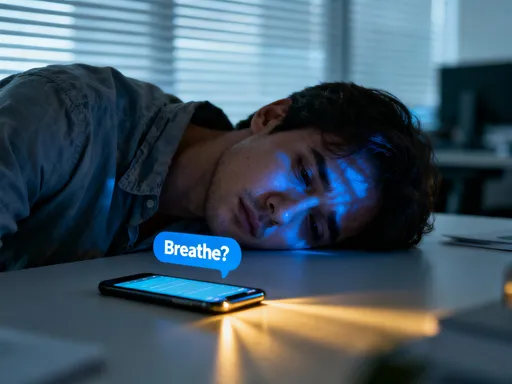
If there’s one habit that transformed my well-being more than any other, it was prioritizing sleep. For years, I treated sleep as a luxury—something to sacrifice for work, chores, or late-night scrolling. But I now understand that sleep is not downtime. It’s when the body repairs itself at the cellular level. During deep sleep, growth hormone is released, tissues are regenerated, and the brain clears out metabolic waste. Poor sleep, on the other hand, disrupts hormone balance, increases cortisol (the stress hormone), and accelerates aging.
My journey to better sleep began with small, consistent changes. I set a regular bedtime and wake-up time, even on weekends. I created a wind-down routine—turning off screens an hour before bed, reading a book, or practicing gentle breathing exercises. I made my bedroom a sleep sanctuary: cool, dark, and quiet. Over time, these habits improved both the quality and consistency of my sleep.
The effects were profound. I woke up feeling more refreshed, with clearer focus and better emotional resilience. I noticed fewer cravings for sugar and caffeine, as my blood sugar stabilized. My skin looked more radiant—likely because proper sleep supports collagen production and skin repair. Research shows that chronic sleep deprivation is linked to increased signs of aging, including fine lines, dark circles, and uneven skin tone. But beyond appearance, sleep is essential for cognitive function, immune health, and emotional well-being. By making sleep a priority, I wasn’t just resting—I was actively supporting my body’s natural renewal processes.
Stress Less, Live Longer: Managing the Invisible Aging Trigger
Chronic stress is one of the most insidious accelerators of aging, yet it often goes unnoticed. Unlike visible signs like wrinkles, stress works silently, damaging cells, weakening immunity, and disrupting hormonal balance. Elevated cortisol levels, common in long-term stress, contribute to fat storage, muscle loss, and inflammation. They also impair sleep, digestion, and mental clarity—creating a cycle that’s hard to break.
Like many women in midlife, I juggled work, family, and personal responsibilities. The constant mental load—planning, worrying, multitasking—took a toll. I didn’t realize how much stress was affecting me until I started paying attention to physical signs: tension in my shoulders, difficulty unwinding at night, and a sense of being perpetually on edge.
Managing stress became a non-negotiable part of my anti-aging strategy. I began with simple, accessible tools. Deep breathing exercises—inhaling slowly through the nose, holding for a few seconds, exhaling through the mouth—helped calm my nervous system in moments of tension. I made time to be in nature, whether it was a walk in the park or sitting in the garden. Even five minutes of sunlight and fresh air made a difference. I also set boundaries with technology, designating screen-free times to reduce digital overload.
Emotional resilience, I learned, is just as important as physical health. Practices like journaling, talking with trusted friends, or simply allowing myself to rest without guilt helped me process emotions and reduce mental clutter. Over time, I became more aware of my stress triggers and better equipped to respond rather than react. This wasn’t about eliminating stress—life will always have challenges. It was about building the capacity to navigate them with greater calm and clarity. By addressing stress, I wasn’t just slowing aging. I was creating space for more joy, presence, and peace in my daily life.
Putting It All Together: Building a Lifestyle That Lasts
What I’ve learned over the years is that anti-aging isn’t about isolated habits. It’s about how they work together to create a resilient, thriving body and mind. Movement supports better sleep. Good nutrition fuels energy for daily activity. Stress management makes it easier to stick to healthy choices. These habits form a feedback loop—each one reinforcing the others.
Perfection isn’t the goal. There are days when I skip a walk, eat something sugary, or stay up too late. But consistency over time matters more than occasional slip-ups. The key is progress, not perfection. I encourage anyone starting this journey to begin small. Choose one habit—drinking more water, walking 10 minutes a day, going to bed 15 minutes earlier—and build from there. Small changes, practiced consistently, lead to lasting transformation.
Anti-aging, at its core, isn’t about looking younger. It’s about feeling stronger, sharper, and more alive. It’s about having the vitality to enjoy life fully, no matter your age. When you invest in your lifestyle today, you’re not just adding years to your life. You’re adding life to your years. This journey isn’t driven by fear of aging. It’s rooted in respect—for your body, your time, and the life you’re living. And that, more than anything, is the most powerful anti-aging secret of all.