How I Tamed My Blood Sugar with Real Food Combos — No Gimmicks, Just Results
Managing blood sugar used to feel like a guessing game—until I discovered how powerful food combinations can be. It’s not just what you eat, but how you pair it. After years of energy crashes and confusion, I tested real strategies that actually work. This isn’t a quick fix or a magic diet. It’s a practical, science-backed way to stabilize glucose through smart, everyday eating choices—because better control should fit your life, not control it.
The Blood Sugar Rollercoaster: What Most People Get Wrong
Blood sugar, or glucose, is the body’s primary source of energy. When we eat, especially carbohydrates, our digestive system breaks them down into glucose, which enters the bloodstream. In response, the pancreas releases insulin—a hormone that helps cells absorb glucose for fuel or storage. This process is natural and essential. But problems arise when blood sugar levels spike too high and then crash too quickly, creating what many describe as a “rollercoaster” effect.
These spikes and crashes are more than just uncomfortable. Over time, repeated surges in blood glucose can strain the body’s insulin response, increasing the risk of insulin resistance, prediabetes, and type 2 diabetes. Beyond long-term health, unstable blood sugar affects daily life—causing fatigue, brain fog, irritability, and intense food cravings, especially for sweets or refined carbs. Many women in their 30s to 50s report feeling “wired but tired” in the afternoon, only to crave something sugary by 3 p.m., setting off another cycle.
A common misconception is that sugar alone is the enemy. While added sugars certainly contribute, the issue is broader: it’s the type, quantity, and context of carbohydrates consumed. Eating a large portion of white rice, a plain bagel, or even a bowl of fruit on an empty stomach can cause a rapid glucose spike—just like drinking soda. The key factor often overlooked is meal composition. A meal rich in refined carbs but low in fiber, protein, or fat leads to faster digestion and quicker glucose release. This is where the real problem lies—not in a single food, but in the absence of balance.
Consider the typical lunch of a turkey sandwich on white bread with a side of chips and a soda. It may seem harmless, even “healthy” compared to fast food, but it’s high in refined carbohydrates and low in components that slow glucose absorption. Within an hour, energy plummets, focus fades, and the desire for a coffee or candy bar grows strong. This scenario is not a personal failing—it’s a predictable metabolic response. The good news? It’s preventable. By understanding how food combinations influence digestion and insulin, we can turn chaotic fluctuations into steady, sustainable energy.
Why Food Combos Matter More Than Single Superfoods
In the world of nutrition, superfoods often steal the spotlight—kale, chia seeds, turmeric, and acai berries are praised for their health benefits. While many of these foods do offer valuable nutrients, focusing on individual “miracle” ingredients can be misleading. No single food can stabilize blood sugar on its own. What truly makes a difference is how foods work together in a meal. The synergy between macronutrients—fiber, protein, and healthy fats—is what slows glucose absorption and supports lasting energy.
Fiber, especially soluble fiber found in vegetables, legumes, and whole grains, forms a gel-like substance in the gut that delays the breakdown of carbohydrates. This means glucose enters the bloodstream more gradually, preventing sharp spikes. Protein, from sources like eggs, poultry, fish, or Greek yogurt, not only increases satiety but also slows gastric emptying—the rate at which food leaves the stomach. Healthy fats, such as those in avocado, olive oil, nuts, and seeds, further moderate digestion and enhance the absorption of fat-soluble vitamins.
Take the example of eating a plain banana. While nutritious, consuming it alone can lead to a noticeable rise in blood sugar, especially if eaten quickly. But when paired with a small handful of almonds or a spoonful of natural peanut butter, the fat and protein buffer the glucose response. The result? Sustained energy without the crash. Similarly, a bowl of white rice causes a faster spike than the same portion of rice served with steamed broccoli and grilled salmon. The vegetables add fiber, the salmon contributes protein and omega-3 fatty acids, and the overall meal becomes metabolically balanced.
This principle applies across meals and snacks. A smoothie made with fruit juice and frozen berries may seem healthy, but without added protein or fat, it acts much like a sugary drink. In contrast, blending those berries with unsweetened Greek yogurt, a tablespoon of chia seeds, and a splash of almond milk transforms the drink into a balanced, blood-sugar-friendly option. The takeaway is clear: it’s not about eliminating certain foods, but about pairing them wisely. Sustainable blood sugar control comes not from restriction, but from strategic combination.
The Science Made Simple: How Your Body Processes Mixed Meals
To understand why food combinations matter, it helps to visualize the digestive process. Imagine glucose as water flowing into a bathtub. If you open the faucet wide—like eating a large portion of white pasta with no vegetables or protein—the water rushes in quickly, overflowing the tub. This is a glucose spike. But if you turn the faucet to a slow, steady stream—by adding fiber, protein, and fat to that pasta—the water enters gradually, keeping the tub at a safe level. This is glucose stability.
When we eat a carbohydrate-rich meal without balancing nutrients, the body breaks down the carbs rapidly, leading to a surge in blood glucose. In response, the pancreas releases a large amount of insulin to clear the excess glucose from the bloodstream. This can lead to a sharp drop in blood sugar shortly after, causing fatigue, shakiness, and hunger. Over time, this pattern can desensitize cells to insulin, making it harder for the body to regulate glucose effectively.
But when a meal includes fiber, protein, and fat, digestion slows down. Fiber delays the absorption of glucose in the small intestine. Protein stimulates the release of hormones that signal fullness and slow stomach emptying. Fat adds viscosity to the digestive mix, further moderating the rate at which nutrients enter the bloodstream. Together, these components create a more gradual insulin response, preventing both extreme highs and lows.
Research in the field of metabolic health consistently shows that low-glycemic eating—focusing on foods that cause a slower, smaller rise in blood sugar—is linked to better glucose control, reduced insulin resistance, and lower risk of chronic disease. While the glycemic index of individual foods matters, the overall meal context is even more influential. For example, adding vinegar to a meal, such as in a salad dressing, has been shown to modestly reduce the glycemic response, likely due to its effect on stomach acidity and enzyme activity. Similarly, eating vegetables before carbohydrates during a meal can lead to lower post-meal glucose levels, possibly because fiber-rich foods fill the stomach first, slowing the digestion of subsequent carbs.
The body is not designed to process isolated nutrients in isolation. It evolved to handle whole, mixed meals. When we eat in a way that aligns with this natural process—combining complex carbs with protein, fat, and fiber—we support metabolic harmony. This doesn’t require special knowledge or expensive ingredients. It simply means being mindful of what’s on your plate and how the pieces work together.
My Go-To Daily Pairings That Actually Worked
Real change happens in the details of daily life. After years of experimenting, I found a set of simple, satisfying food combinations that consistently helped me maintain steady energy and avoid the mid-afternoon slump. These aren’t exotic or hard to prepare—they’re based on common ingredients, require minimal cooking, and fit into a busy schedule. The key was consistency, not perfection.
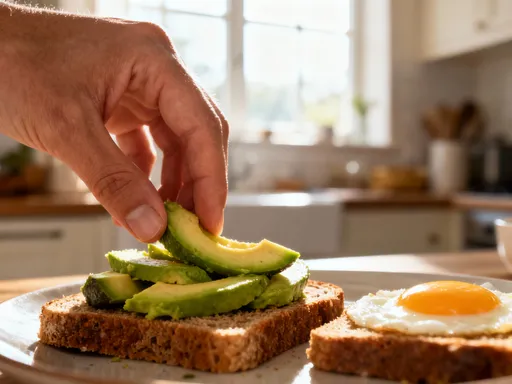
For breakfast, I started with a slice of whole grain toast topped with mashed avocado and a poached egg. The whole grain provides complex carbohydrates with fiber, the avocado delivers heart-healthy monounsaturated fats, and the egg adds high-quality protein. This combination keeps me full for hours. I noticed that on days I skipped the egg and just ate avocado toast, I felt hungry by mid-morning. But with the added protein, my appetite stayed regulated, and my focus remained sharp.
Another breakfast favorite is a bowl of plain Greek yogurt with mixed berries, a sprinkle of ground flaxseed, and a few chopped walnuts. The yogurt offers protein and probiotics, the berries provide antioxidants and fiber, the flaxseed adds omega-3s and more fiber, and the walnuts contribute healthy fats. This meal is quick to assemble and feels indulgent without spiking my glucose. I avoid flavored yogurts, which often contain added sugars, and instead sweeten the bowl lightly with a few drops of pure vanilla extract or a small piece of dark chocolate if desired.
For lunch, I often prepare a large salad with mixed greens, grilled chicken, chickpeas, cucumber, tomatoes, and a dressing made of olive oil and lemon juice. The greens and vegetables are rich in fiber, the chicken provides lean protein, the chickpeas add plant-based protein and complex carbs, and the olive oil slows glucose absorption. I’ve learned that dressing the salad with fat is essential—if I eat it with just vinegar, I don’t stay full as long. This meal is flexible; I can swap in salmon, tofu, or turkey, and change the vegetables based on what’s in season.
Snacks used to be my downfall. I’d reach for a granola bar or a piece of fruit, only to feel shaky an hour later. Now, I pair apple slices with a tablespoon of almond butter, or enjoy a small handful of almonds with a few grapes. The fiber in the fruit and the fat and protein in the nuts create a balanced mini-meal. I also keep hard-boiled eggs on hand for days when I need something quick and satisfying.
Dinner might be baked salmon with roasted sweet potatoes and steamed broccoli. The salmon provides protein and omega-3 fatty acids, the sweet potato offers complex carbohydrates with a lower glycemic impact than white potatoes, and the broccoli adds fiber and volume. I drizzle the vegetables with olive oil before roasting to enhance nutrient absorption and slow digestion. These meals don’t require gourmet skills—just a few simple choices that add up over time.
Common Mistakes That Sabotage Even “Healthy” Meals
Even with the best intentions, it’s easy to fall into traps that undermine blood sugar control. Many foods marketed as “healthy” can still cause glucose spikes due to hidden sugars, imbalanced macros, or poor pairing choices. Being aware of these pitfalls is the first step in avoiding them.
One of the most common mistakes is overloading on fruit, especially in smoothies. A smoothie made with banana, mango, pineapple, and orange juice may seem like a nutritious choice, but it’s essentially a liquid sugar bomb. Without enough protein or fat, the natural sugars in fruit are absorbed quickly, leading to a spike. A better approach is to include a source of protein—like Greek yogurt or protein powder—and healthy fat—such as avocado or nut butter—while limiting high-sugar fruits and using water or unsweetened almond milk as the base.
Another trap is relying on protein bars or snack bars for convenience. Many of these products contain more sugar than people realize, often disguised as “organic cane syrup” or “brown rice syrup.” They may also be low in fiber and fat, making them less effective at stabilizing glucose. Reading labels is crucial. A better option is to make your own snacks—like energy balls made with oats, nut butter, chia seeds, and a small amount of honey—or to choose whole foods like a boiled egg with a piece of fruit.
Skipping fat is another frequent error. Some people avoid fats in an effort to eat “clean” or lose weight, but this can backfire. Fat is essential for slowing digestion and promoting satiety. A salad with only vegetables and lean protein may be low in calories, but it won’t keep you full. Adding a source of healthy fat—like olive oil, avocado, or a few nuts—transforms it into a balanced meal. Similarly, choosing fat-free versions of foods like yogurt or milk often means added sugars to compensate for flavor.
Finally, eating too quickly or without mindfulness can disrupt digestion and glucose control. When we eat fast, we don’t give our body enough time to register fullness, leading to overeating. Slowing down, chewing thoroughly, and eating without distractions help support better metabolic responses. Small habits—like putting your fork down between bites or starting your meal with a glass of water—can make a meaningful difference.
Building Your Own Balanced Plate: A Flexible Framework
Sustainable blood sugar control doesn’t require strict rules or complicated calculations. Instead, it benefits from a simple, visual framework that can be adapted to any meal, cuisine, or preference. Think of your plate as a canvas for balance. A practical guideline is to fill half of it with non-starchy vegetables—like leafy greens, broccoli, peppers, zucchini, or cauliflower. These are low in calories and carbohydrates but high in fiber, vitamins, and minerals.
Next, add a quarter of the plate with a lean protein source. This could be chicken, turkey, fish, eggs, tofu, tempeh, or legumes. Protein supports muscle health, promotes fullness, and helps slow glucose absorption. The final quarter can include a mindful carbohydrate—such as quinoa, brown rice, sweet potato, or whole grain bread. These complex carbs provide energy without the rapid spike associated with refined grains.
Don’t forget healthy fats. While they don’t take up a specific section of the plate, they should be included in every meal—drizzled on vegetables, spread on toast, or mixed into dishes. A tablespoon of olive oil, a quarter of an avocado, or a small handful of nuts can make a big difference in how your body processes the meal.
The beauty of this approach is its flexibility. It works whether you’re eating Mediterranean, Asian, Mexican, or American-style meals. A stir-fry with tofu, broccoli, and brown rice fits the model. So does a taco bowl with lettuce, black beans, grilled chicken, salsa, and a sprinkle of cheese. The goal isn’t perfection—it’s progress. Some meals may be less balanced, and that’s okay. What matters is the overall pattern over time. Small, consistent changes lead to noticeable improvements in energy, mood, and glucose stability.
Beyond the Plate: Lifestyle Synergy and When to See a Pro
Diet is a powerful tool, but it’s only one piece of the blood sugar puzzle. Other lifestyle factors—sleep, stress, and physical activity—play critical roles in metabolic health. Poor sleep, for example, can impair insulin sensitivity, making it harder for the body to manage glucose. Chronic stress raises cortisol levels, which can increase blood sugar and trigger cravings for high-carb, high-fat foods. Even moderate physical activity, like a 20-minute walk after meals, has been shown to help lower post-meal glucose levels by increasing insulin sensitivity.
These elements work together. Eating balanced meals supports better sleep by preventing nighttime hunger or blood sugar dips. Managing stress through mindfulness, deep breathing, or gentle movement can reduce emotional eating. Regular activity enhances the body’s ability to use glucose efficiently. The synergy between diet and lifestyle creates a positive feedback loop—each healthy choice reinforces the others.
However, it’s important to recognize that individual needs vary. What works for one person may not work for another. Some women may have underlying conditions like polycystic ovary syndrome (PCOS) or thyroid issues that affect glucose metabolism. Others may be on medications that influence blood sugar. This is why consulting a healthcare provider—such as a doctor, registered dietitian, or certified diabetes educator—is essential for personalized guidance. This article offers general principles based on established health science, but it is not a substitute for professional medical advice.
Blood sugar management is not about rigid control or fear-based restriction. It’s about making informed, compassionate choices that support long-term well-being. By focusing on real food combinations, you take a proactive step toward greater energy, mental clarity, and confidence in your daily health decisions.
Blood sugar control doesn’t require extreme diets or expensive supplements. It starts with smarter, simpler eating habits—especially how you combine foods. By making thoughtful pairings part of daily life, you gain more than stability; you reclaim energy, clarity, and confidence. The best part? It’s sustainable, flexible, and entirely within reach.