Hiking Through Lille’s Hidden Trails and Tasting Its Soul
You know that feeling when a city surprises you? Lille, France, isn’t just cobbled streets and old-town charm—it’s also surrounded by quiet trails where nature meets culture. I laced up my boots, hit the lesser-known paths, and discovered something wild: every hike ended in a food moment that felt deeply local. From buttery tarts to steaming bowls of potjevleesch, the flavors were as authentic as the landscape. This is hiking with a side of soul—and you gotta taste it to believe it.
Why Lille? More Than Just a City Break
Lille often flies under the radar as a destination for outdoor adventure, overshadowed by its reputation as a vibrant urban center with Flemish flair and French elegance. Yet just beyond its bustling markets and historic architecture lies a landscape shaped by gentle hills, preserved woodlands, and green corridors that stretch into the surrounding countryside. What makes Lille exceptional is not only its accessibility—located just 30 minutes from the Belgian border and under an hour from Paris by high-speed train—but also how seamlessly it blends city life with the serenity of nature. For travelers seeking both cultural immersion and physical renewal, Lille offers a rare duality: the energy of a cosmopolitan hub paired with the quiet rhythm of rural France.
The region's geography plays a crucial role in this balance. Nestled in the Hauts-de-France, Lille sits at the edge of a transitional zone between flat northern plains and rolling terrain dotted with small forests and agricultural fields. These natural features have been carefully preserved through regional parks and greenbelt initiatives, ensuring that hikers can step away from traffic and noise within minutes of leaving the city center. Trails wind through protected areas like the Parc Naturel Régional des Caps et Marais d'Opale and the Forêt Domaniale de Phalempin, offering accessible escapes without requiring long drives or complicated logistics. This proximity transforms Lille into an ideal base for day hikes, where mornings can be spent navigating leafy paths and afternoons unwinding over regional specialties.
Equally compelling is the cultural tapestry woven into both the land and its cuisine. Historically caught between French and Flemish influences, Lille reflects a unique fusion—one visible in its architecture, spoken dialects, and culinary traditions. Red-brick buildings echo Flanders, while café terraces and patisseries speak to French sensibilities. This blend extends to the food found along hiking routes: hearty stews simmered in beer, delicate pastries layered with cream and sugar, and cheeses aged in cool cellars. The landscape itself tells a story of cross-border exchange, where farming practices, foraging customs, and seasonal rituals have evolved over centuries. Hiking through these trails becomes more than exercise; it becomes a journey through heritage, where each path leads not just to a view, but to a deeper understanding of place.
Trail One: The Silent Loop of Mont de Fourmies
Just a short train ride south of Lille, the Mont de Fourmies trail unfolds like a whispered secret among locals who cherish its unspoiled beauty. This 12-kilometer loop carves through a mosaic of beech forests, sun-dappled meadows, and quiet country lanes, offering hikers a peaceful retreat far removed from urban clamor. Unlike more popular national parks, this route remains refreshingly uncrowded, allowing for moments of solitude where the only sounds are birdsong, rustling leaves, and the distant chime of church bells drifting across the valley. Spring brings carpets of wild garlic and wood anemones, while autumn paints the canopy in gold and russet—a seasonal rhythm that invites repeat visits throughout the year.
What sets this trail apart is its subtle elevation changes and well-marked paths, making it suitable for intermediate hikers without sacrificing a sense of adventure. The ascent to the highest point—barely 150 meters above sea level—offers sweeping views of the Avesnois countryside, where patchwork fields and sleepy villages nestle between tree-lined ridges. Along the way, interpretive signs highlight local flora and fauna, including red squirrels, roe deer, and rare orchid species that thrive in the understory. Hikers often pause at a small stone chapel near the midpoint, its weathered walls covered in ivy, standing as a quiet testament to centuries of pilgrimage and rural devotion.
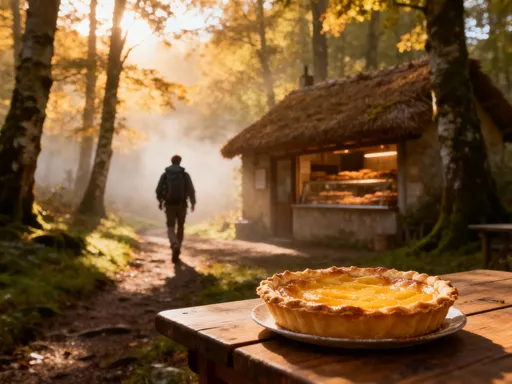
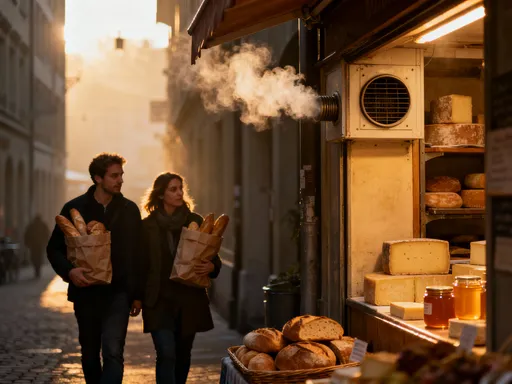
But the true reward comes at the end of the trail, in the village of Fourmies itself. Tucked inside a centuries-old bakery with flour-dusted counters and the scent of caramelized sugar in the air, you’ll find tarte au sucre—a traditional Flemish dessert that embodies the region’s sweet tooth. This rich tart, made with brown sugar, cream, and a buttery crust, is baked until the top forms a delicate crust, cracking slightly under the fork. Locals serve it warm, often with a cup of strong coffee or herbal tea, encouraging slow enjoyment. Sharing a slice with fellow hikers at a wooden table by the window, one can’t help but feel connected—to the land, to the people, and to a tradition that turns simple ingredients into something deeply comforting.
Trail Two: Along the Deûle Canal Toward Baisieux
For those seeking a gentler pace, the Deûle Canal path offers a scenic 15-kilometer journey north from Lille toward the village of Baisieux—a route perfect for families, casual walkers, or anyone looking to combine leisure with discovery. Once a vital artery for transporting coal and textiles during the Industrial Revolution, the canal has been transformed into a green corridor lined with willow trees, reed beds, and flowering shrubs. Today, its towpath serves as a linear park where cyclists glide past, ducks paddle in the still water, and kingfishers dart between banks. The flat terrain makes it accessible year-round, whether under summer sun or winter mist, and the consistent signage ensures hikers never lose their way.
Walking along the Deûle is like tracing the pulse of regional history. In the 18th and 19th centuries, this waterway linked Lille to the River Lys and, ultimately, the North Sea, fueling the city’s growth as a textile powerhouse. Barges carried raw wool in and finished cloth out, while workers lived in modest homes along the banks. That legacy lives on not just in preserved locks and old warehouse conversions, but also in the food culture of the沿线 villages. Many traditional dishes evolved to sustain laborers—rich, warming, and packed with calories—and today, they remain centerpieces of local menus.
About halfway through the hike, a well-placed estaminet—a traditional Flemish-style café—awaits in the village of Annœullin. These cozy establishments, often family-run and decorated with copper pots and vintage posters, specialize in regional comfort food. Here, hikers are welcomed with a steaming bowl of carbonnade flamande, a deeply flavorful beef stew slow-cooked in amber beer, onions, and a touch of mustard. The meat falls apart at the touch of a fork, infused with the malty sweetness of the brew, and is typically served with buttery mashed potatoes or crusty bread for soaking up every drop. Paired with a local beer—perhaps a blond ale from a nearby microbrewery—the meal feels like a celebration of endurance and tradition. It’s the kind of dish that reminds you how food, when rooted in place and history, nourishes more than just the body.
Trail Three: The Forest of Raismes and the Taste of Terroir
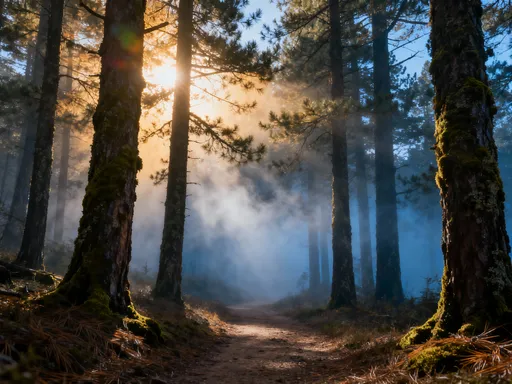
Further west, near the town of Valenciennes, the Forêt de Raismes offers a denser, more immersive hiking experience. This sprawling woodland, managed by France’s National Forestry Office, covers over 1,000 hectares of mixed oak, beech, and pine, with a network of trails that invite exploration. Unlike the open vistas of Mont de Fourmies or the linear path of the Deûle Canal, Raismes feels more secluded—a place where the canopy closes overhead and the outside world fades. Autumn is especially magical here, when fallen leaves form a thick carpet and the air carries the earthy scent of damp moss and decaying wood. It’s also prime season for mushroom foraging, a cherished tradition in northern France.
Local regulations allow for limited, sustainable harvesting of certain species like cèpes and chanterelles, provided hikers follow guidelines and use wicker baskets to preserve spores. Many residents still teach their children how to identify edible varieties, passing down knowledge that connects them to the land. While casual hikers shouldn’t attempt foraging without expert guidance, the culture of gathering wild ingredients underscores a broader philosophy: that food should be fresh, seasonal, and tied to the environment. This ethos has inspired a resurgence of farm-to-table dining in nearby towns, where chefs collaborate with small producers to highlight regional terroir—the unique taste of a place shaped by soil, climate, and tradition.
Just outside the forest, in the village of Raismes, a family-run farm shop offers a direct link between nature and nourishment. Open on weekends, it sells artisanal products like marche-en-famenne cheese—a semi-hard cow’s milk cheese from southern Belgium known for its nutty depth—and spiced sausages cured with juniper and garlic. The owners, third-generation farmers, welcome visitors with samples and stories about their animals and aging process. Buying a wedge of cheese or a slice of sausage here feels meaningful, a small act of supporting local stewardship. And when enjoyed later on a picnic bench beneath ancient trees, these flavors take on new dimensions—enhanced by the quiet, the crisp air, and the knowledge that what you’re eating was made with care, just miles from where you stand.
How Hiking Elevates Food Discovery
There’s a quiet alchemy that happens when physical effort meets regional cuisine. After hours of walking—feeling the burn in your calves, the breeze on your face, the rhythm of your breath—the act of eating transforms. A simple meal becomes a celebration, a reward earned through movement and attention. This is especially true in Lille’s surrounding countryside, where the connection between body, land, and plate grows stronger with every step. Hiking doesn’t just transport you from point A to point B; it recalibrates your senses, making you more present, more attuned to the textures, aromas, and tastes of what you consume.
Scientifically, moderate exercise increases blood flow and stimulates appetite, enhancing the perception of flavor. But beyond biology, there’s an emotional dimension. When you’ve navigated a winding trail, paused to admire a view, or shared a moment of silence in the woods, the food that follows carries emotional weight. It’s no longer just sustenance—it’s part of a story. Sitting in a village café after the Mont de Fourmies loop, savoring a warm tarte au sucre, you’re not just tasting sugar and butter; you’re tasting accomplishment, discovery, and connection. The effort amplifies the experience, turning a routine bite into a memory that lingers long after the crumbs are gone.
This synergy between hiking and eating also aligns with the principles of the slow food movement, which emphasizes mindful consumption, local sourcing, and cultural preservation. In a world of fast travel and instant gratification, hiking to a meal forces a different pace—one of patience, presence, and appreciation. It encourages travelers to engage with communities rather than merely passing through. When you walk to a bakery, a canal-side estaminet, or a forest-edge farm shop, you’re not just buying food; you’re participating in a tradition. And that participation, however small, fosters respect—for the people who make the food, the land that sustains it, and the history that shapes it.
Practical Tips: What to Pack, When to Go, and How to Navigate
To make the most of Lille’s hiking trails, preparation is key. While the routes are generally well-marked and safe, conditions can vary with the seasons. In spring and autumn, rain is common, so waterproof hiking boots and a lightweight rain jacket are essential. Summer brings warmth but also humidity, so breathable layers, a hat, and plenty of water are recommended. Winter hikes are possible, especially on the flatter Deûle Canal path, but early sunsets and slippery trails mean starting early and carrying a headlamp. Regardless of season, a small backpack with snacks, a first-aid kit, and a fully charged phone is wise.
Navigation tools have never been more accessible. While printed maps from local tourism offices remain reliable, many hikers now use apps like Visorando or IGN Rando, which offer offline trail downloads, GPS tracking, and elevation profiles. These tools help prevent getting lost and allow you to monitor progress in real time. Still, it’s valuable to pick up a physical map at the Lille Tourist Office or a village information center—not only for backup, but to support local institutions that maintain these trails. Staff often provide personalized advice, such as which path is best for wildflowers in May or where to find the freshest cheese in June.
Sustainability is another important consideration. Staying on marked paths protects fragile ecosystems, especially in forested areas where trampling can damage roots and habitats. Carrying out all trash and avoiding single-use plastics helps preserve the region’s natural beauty. Equally impactful is choosing to support small, independent food vendors—whether a bakery, café, or farm stand—rather than chain establishments. These businesses are often the heart of village life, and your patronage helps sustain both the economy and cultural heritage. Finally, consider visiting during shoulder seasons—April to May or September to October—when trails are less crowded, temperatures are mild, and local markets overflow with seasonal produce.
Beyond the Plate: The Culture Carried in Every Step and Bite
Hiking around Lille is not merely a recreational activity—it’s a form of cultural engagement. Each trail preserves fragments of history: a forgotten chapel, a restored lock, a centuries-old recipe passed from grandmother to granddaughter. These elements, when experienced together, create a narrative of resilience, adaptation, and community. The region has weathered industrial shifts, border changes, and economic challenges, yet its people have held fast to traditions that ground them. Walking through this landscape, one senses that continuity—the quiet pride in craftsmanship, the reverence for seasonal cycles, the warmth of hospitality offered without pretense.
There’s also a deeper rhythm at play, one that mirrors the philosophy of slow living. Just as the slow food movement resists industrialized dining, these hikes resist the rush of modern tourism. They invite you to slow down, to notice the curve of a canal, the texture of tree bark, the sound of a village bell. They ask you to be present, to move with intention, and to savor each moment. In doing so, they offer a kind of healing—not dramatic or loud, but gentle and steady. After a day on the trails, many hikers report a sense of clarity, a lightness that comes from disconnecting from screens and reconnecting with nature and self.
Lille, in all its quiet generosity, rewards curiosity. It doesn’t demand grand gestures or extreme adventures. Instead, it offers modest paths that lead to meaningful encounters—with landscapes, with flavors, with people. Whether you’re walking through sunlit woods, pausing by a historic waterway, or sharing a meal in a village café, you’re participating in something enduring. So lace up your boots, pack a light bag, and let your feet guide you. Let your palate follow. In Lille’s hidden trails and humble kitchens, you’ll find not just scenery and sustenance, but a deeper sense of belonging—one step, one bite, at a time.