Hiking Trails and Sacred Beats: Pokhara’s Festival Soul Uncovered
You know that feeling when mountains call and drums echo through the valleys? That’s Pokhara for you—where hiking isn’t just trails, but a journey into living culture. I never expected festival energy to pulse so strong on mountain paths, blending devotion, music, and breathtaking views. This isn’t just trekking; it’s walking through Nepal’s spiritual heartbeat. If you’re craving authenticity, this is where adventure meets soul. The air hums with chants, the scent of incense drifts up from village temples, and every turn on the trail reveals not only panoramic alpine vistas but also moments of human connection, faith, and celebration. In Pokhara, nature and tradition are not separate—they are intertwined, shaping an experience that stays with you long after your boots have been stowed away.
The Allure of Pokhara: More Than Just Mountain Views
Nestled in central Nepal, Pokhara occupies a privileged position between the lush green foothills and the towering Annapurna range. As the second-largest city in the country, it serves as the primary gateway to some of the world’s most celebrated trekking routes, including the Annapurna Circuit and Annapurna Base Camp. Yet, what sets Pokhara apart from other trekking hubs is its unique harmony of tranquility and cultural vibrancy. The city unfolds along the banks of Phewa Lake, where mornings begin with a stillness broken only by the soft splash of oars as fishermen glide across mirrored waters. Boats painted in deep reds and bright blues dot the surface, while the reflection of Machhapuchhre—the sacred 'Fishtail' mountain—shimmers like a mirage in the early light.
Yet beyond this postcard serenity lies a dynamic cultural landscape. Pokhara is home to diverse ethnic communities, including Gurungs, Magars, Brahmins, and Chhetris, each contributing to a rich tapestry of language, dress, and tradition. This cultural mosaic is especially visible during festivals, when the city’s streets come alive with processions, music, and ritual. Unlike destinations where tourism overshadows local life, Pokhara maintains an authentic rhythm. Locals go about their daily routines—tending farms, visiting temples, weaving wool—while travelers pass through, welcomed but not commodified. This balance makes it an ideal destination for travelers who seek beauty not only in landscapes but in the lived experiences of the people who call these mountains home.
For the mindful traveler, Pokhara offers more than scenic trails—it offers context. Hiking here is not an escape from culture, but a deeper immersion into it. Whether you’re walking through terraced fields where farmers greet you with warm smiles or pausing at a wayside shrine to observe silent prayer, the journey becomes layered with meaning. The mountains are not just a backdrop; they are sacred spaces, revered and protected for generations. This deep-rooted respect for nature and tradition transforms every hike into something more profound than physical exertion—it becomes a quiet pilgrimage of awareness and connection.
Why Hiking Here Feels Different: Culture Woven Into the Trail
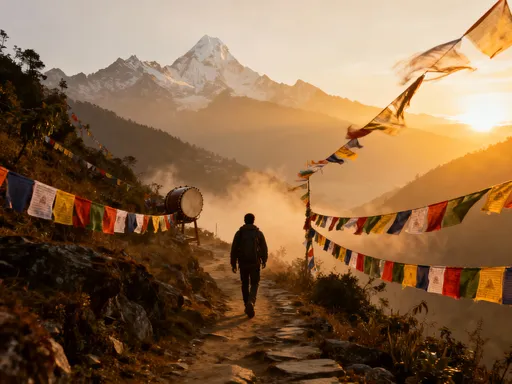
In many parts of the world, hiking trails are designed purely for recreation—routes marked for scenic views, physical challenge, or ecological study. In Pokhara, however, the trails are also pathways of faith, pilgrimage, and daily life. From the moment you step onto a mountain path, you’re not just a visitor; you’re walking alongside farmers heading to their fields, children returning from school, and pilgrims making their way to sacred sites. The trail is not separate from culture—it is part of it. Prayer flags strung across high passes flutter in the wind, carrying mantras into the sky. Small stone shrines appear at crossroads and forest clearings, adorned with marigolds, incense sticks, and butter lamps that flicker even in daylight.
One of the most striking aspects of hiking in this region is the seamless integration of spirituality into the natural environment. It’s common to see villagers pausing during their ascent to bow in prayer or light a candle at a roadside temple. During festival seasons, these moments multiply. You might encounter a group of women in red and gold saris walking barefoot toward a cave temple, their heads covered in reverence, bells jingling softly from their anklets. Or you may come upon a monk sitting cross-legged beneath a rhododendron tree, chanting quietly as the wind carries his voice down the valley. These are not staged performances for tourists—they are real, unscripted expressions of devotion that enrich the hiking experience in ways no guidebook can fully capture.
What makes this cultural layer so powerful is its authenticity. Unlike destinations where tradition is packaged for visitors, Pokhara’s cultural expressions remain rooted in daily life. Even on popular trails like the route to Poon Hill, where trekkers gather for sunrise views, the presence of local pilgrims reminds you that this land is not just a destination—it is a home, a sanctuary, a place of belonging. This fusion of adventure and reverence invites hikers to slow down, observe, and reflect. It encourages a deeper kind of travel—one that values presence over speed, connection over conquest, and meaning over milestones.
Festival Seasons: When the Mountains Come Alive
The rhythm of life in Pokhara is closely tied to the lunar calendar, and nowhere is this more evident than during festival season. When major Nepali festivals like Dashain, Tihar, and Maha Shivaratri arrive, the mountains themselves seem to awaken. Trails that are usually quiet with the occasional trekker become vibrant corridors of movement, music, and devotion. Dashain, the longest and most significant Hindu festival in Nepal, transforms the region with a surge of pilgrims heading to highland temples. Families travel from distant villages, carrying offerings of coconuts, rice, and red vermillion powder, their faces glowing with anticipation. The air fills with the scent of marigolds and sandalwood as processions wind through forests and up steep ridgelines.
Tihar, the festival of lights, brings its own magic. Celebrated five days after the new moon in autumn, it honors animals, siblings, and the goddess of wealth. In Pokhara’s hillside villages, homes are decorated with oil lamps and colorful rangoli patterns. At night, the hills sparkle with thousands of tiny flames, creating a celestial effect that rivals the star-filled sky above. Even the trails take on a festive air—lanterns are hung along paths, and children sing traditional songs as they walk between houses exchanging blessings. For hikers passing through during this time, the experience is unforgettable: a journey illuminated not just by headlamps, but by joy and community.
One of the most spiritually charged times to visit is during Maha Shivaratri, the great night of Lord Shiva. Thousands gather at the Bat Cave (Mahadev Cave), located just north of Pokhara, where a natural rock formation is believed to resemble a Shiva lingam. Pilgrims hike for hours, some barefoot, to reach the cave and offer prayers at midnight. The trail leading to the site becomes a river of devotion—chanting, drumming, and the ringing of bells echo through the forest. Sadhus (Hindu ascetics) in saffron robes sit by the path, offering blessings to passersby. For those hiking during this festival, the energy is electric, yet deeply peaceful—a rare combination of intensity and serenity that defines the spiritual essence of the region.
Timing your visit to align with these festivals requires some planning, but the rewards are immeasurable. Not only do you witness culture in its most dynamic form, but you also experience the trails in a completely different light—crowded, yes, but alive with purpose and celebration. The key is flexibility and respect. Arriving early, moving with the flow, and observing quietly allows you to be part of the moment without disrupting it. And even if you don’t speak the language, a smile, a bow, or a moment of silence at a shrine can be a powerful form of connection.
Must-Walk Paths: Hikes That Lead to Cultural Heartbeats
For travelers seeking a blend of natural beauty and cultural immersion, certain hikes around Pokhara stand out as essential. Sarangkot, perched on a ridge just west of the city, is one of the most accessible and rewarding. The 4–5 hour round-trip hike offers one of the best sunrise views in Nepal, with the first golden rays illuminating the Annapurna range in a breathtaking display. But beyond the view, Sarangkot is a living village where Gurung families maintain traditional homes and practices. During festivals, the small temple at the summit becomes a gathering place for prayer and music. Locals often invite passing hikers for a cup of chiya (Nepali tea), especially during Dashain, when hospitality reaches its peak.
Another must-walk trail is the Poon Hill route, part of the larger Annapurna Circuit. At 3,210 meters, Poon Hill is a moderate trek that can be completed in a few days, making it ideal for families and first-time trekkers. The path winds through rhododendron forests, Gurung villages like Ghandruk and Tadapani, and terraced fields where women in traditional dress work with hoes on steep slopes. Ghandruk, in particular, is a cultural gem—its stone houses with slate roofs, stone-carved windows, and family-run homestays offer an intimate look into mountain life. During Tihar, the village is adorned with oil lamps and flower garlands, and children perform folk dances in the courtyards. Hiking through during this time feels like stepping into a living festival.
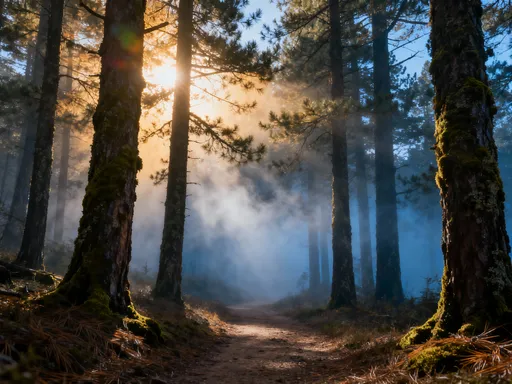
For a deeper spiritual experience, the trail to the Bat Cave near Mardi Himal is profoundly moving. The 3–4 hour hike is steep and shaded, passing through dense forest and small shrines dedicated to local deities. On regular days, it’s a peaceful walk, but during Maha Shivaratri, it becomes a sacred journey. Pilgrims chant “Om Namah Shivaya” as they climb, and the cave itself hums with the sound of bells and drums. Offerings of milk, flowers, and bilva leaves cover the stone lingam, and the air is thick with incense. Even outside festival times, the site carries a quiet power—a reminder that some places are not just seen, but felt.
Shorter hikes, too, offer rich cultural encounters. The walk from Phewa Lake to the World Peace Pagoda, for instance, takes about two hours and passes through several villages where children wave and elders sit outside weaving baskets. The pagoda, built by Japanese Buddhists, stands as a symbol of harmony, and on full moon days, monks lead meditation sessions that are open to visitors. These shorter routes prove that cultural immersion doesn’t require multi-day treks—sometimes, the most meaningful moments happen in the simplest walks.
Local Encounters: Stories Shared on the Trail
Some of the most lasting memories from hiking in Pokhara aren’t the views—they’re the people. A grandmother offering you a piece of sel roti, a sweet rice flour bread, as you rest by a stream. A young monk sharing a joke in broken English before returning to his prayers. A group of schoolchildren skipping stones into a river, then inviting you to join their game. These spontaneous interactions, brief as they may be, add emotional depth to the journey. They remind you that travel is not just about seeing new places, but about meeting new souls.
One memorable encounter happened on the trail to Ghandruk. A family of four—grandparents, parents, and a toddler—was walking slowly uphill, carrying bundles of firewood and a small brass lamp. When asked where they were going, the grandfather smiled and said they were preparing for a home puja (prayer ceremony) for their grandson’s first birthday. They invited us to join, and though we couldn’t stay, the warmth of the invitation stayed with us. Later, we passed them again at a wayside shrine, where they lit the lamp and chanted softly. It was a private moment, yet they made space for strangers—a gesture of openness that defines Nepali hospitality.
Respecting these encounters is crucial. Dressing modestly—covering shoulders and knees—shows cultural sensitivity, especially in religious areas. Always ask before taking photographs, particularly of people in prayer or ritual. If invited into a home or ceremony, accept with gratitude, remove your shoes, and follow local customs. Even small gestures—like greeting with “Namaste” and pressing your palms together—go a long way in building trust and connection. These aren’t just rules; they’re pathways to genuine understanding.
For many women travelers, especially those in the 30–55 age group, these interactions can be deeply affirming. There’s a quiet strength in the women of the hills—farmers, mothers, priestesses—who move with grace and resilience through the steep terrain of their lives. Seeing them balance baskets on their backs, carry water from distant springs, and lead rituals with unwavering devotion can be profoundly inspiring. Their lives are not easy, but they are rich—with faith, family, and a deep connection to the land. To walk beside them, even for a short stretch, is to witness a different kind of power—one rooted in patience, care, and quiet courage.
Practical Magic: Planning Your Hike Around Festivals
To fully experience the cultural heartbeat of Pokhara’s trails, timing is everything. Most major festivals follow the lunar calendar, so dates shift each year. Dashain typically falls in September or October, Tihar a few weeks later, and Maha Shivaratri in February or March. Checking a reliable Nepali calendar before booking your trip is essential. Once you’ve chosen your window, book accommodations and guides early—festivals bring both pilgrims and tourists, and homestays in villages like Ghandruk or Ulleri can fill up months in advance.
Guides are highly recommended, not just for navigation, but for cultural translation. A knowledgeable local guide can introduce you to families, explain rituals, and help you participate respectfully. Many guides are former porters or farmers who know the trails and traditions intimately. They can also advise on trail conditions, weather, and safe routes, especially during the monsoon season when landslides are possible. While independent trekking is possible on well-marked paths, having a guide enhances both safety and depth of experience.
Packing wisely is another key to success. Sturdy, broken-in hiking boots are essential, as trails can be rocky and slippery. Layered clothing works best—mornings are cold, afternoons warm, and nights chilly. A rain jacket is a must, even in dry season. Don’t forget a reusable water bottle and water purification tablets, as bottled water isn’t always available. For festival hikes, consider bringing a small offering—flowers, incense, or fruit—to present at a temple if invited. It’s a simple gesture, but one that shows respect and openness.
Transportation also shifts during festivals. Buses and jeeps to trailheads may be crowded or delayed, so allow extra time. Some villages restrict vehicle access during religious events to preserve the sanctity of the journey. Walking in becomes part of the experience. Accommodations range from basic teahouses to comfortable homestays, many run by women’s cooperatives. Staying in a homestay not only supports the local economy but also offers deeper cultural exchange—meals are often shared, stories exchanged, and songs sung by firelight.
Beyond the Summit: Why This Experience Stays With You
Reaching a mountain peak is a powerful moment—but what lingers long after the descent is the feeling of connection. In Pokhara, hiking is not just about altitude or endurance; it’s about presence. It’s about hearing a child’s laughter echo through a valley, seeing an old woman light a butter lamp with trembling hands, or feeling the beat of a drum vibrate through your chest during a night festival. These are the moments that reshape your understanding of travel—not as a checklist of sights, but as a journey into the heart of what it means to be human.
True adventure, at its best, is not about escaping life, but about diving deeper into it. Pokhara offers that rare gift: a place where nature and culture walk hand in hand, where every trail tells a story, and where every encounter carries meaning. For women who have spent years nurturing homes, raising families, and managing lives, this kind of travel can be especially transformative. It’s a reminder that curiosity, courage, and wonder don’t fade with age—they deepen. The mountains don’t care how old you are, how busy your life has been, or what you carry in your heart. They only ask that you show up, one step at a time.
So if you’re ready to trade the ordinary for the authentic, to trade screens for sunrises and schedules for serenity, consider walking the trails of Pokhara. Let the drums guide you. Let the prayers lift you. Let the mountains remind you that there is still magic in the world—and that sometimes, the most sacred journeys are the ones that lead not just to peaks, but to purpose. This is more than a hike. This is a homecoming for the soul.