You Won’t Believe What I Found in Canberra’s Hidden Wild Places
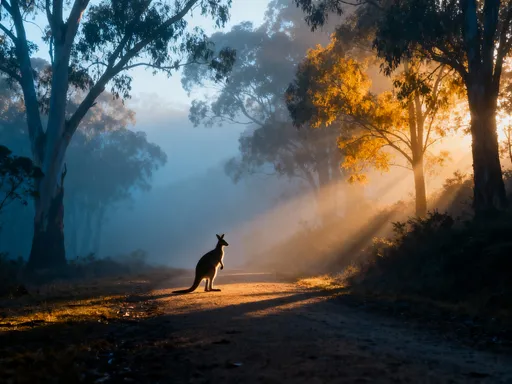
Canberra isn’t just politics and museums—trust me, I used to think that too. But slowing down here revealed something unexpected: vast protected landscapes hiding in plain sight. Think eucalyptus forests buzzing with birdsong, quiet trails where kangaroos graze at dawn, and reserves where nature, not people, sets the pace. This is slow travel at its finest—peaceful, immersive, and deeply refreshing. If you're craving connection over checklist tourism, let me show you a side of Canberra most never see.
Rethinking Canberra: Beyond the Capital’s Concrete Core
When most people hear the name Canberra, they picture grand parliamentary buildings, national institutions, and a city meticulously laid out on a map. It’s easy to assume that Australia’s capital is all about policy and planning, with little room for wilderness. Yet beneath this structured surface lies a surprising truth—more than half of the Australian Capital Territory is dedicated to conservation and natural reserves. These protected areas are not remote or difficult to reach; they are interwoven into the city’s design, forming green corridors that stretch from suburb to mountain range. This intentional integration of nature into urban life sets Canberra apart from other capital cities around the world.
What makes this blend so remarkable is how accessible it is. Within minutes of leaving the city center, one can find themselves surrounded by native bushland, where the only sounds are the rustle of leaves and the distant call of a kookaburra. Places like the Molonglo River Corridor and the Yarralumla Woodland offer gentle introductions to the region’s natural beauty, perfect for families or those new to bushwalking. These spaces were not added as an afterthought—they were part of the original vision for Canberra, influenced by early 20th-century landscape architect Walter Burley Griffin, who believed cities should harmonize with their environment.
For travelers accustomed to ticking off tourist landmarks, shifting focus to these quieter spaces requires a change in mindset. Instead of rushing from monument to museum, slow travel invites you to pause, breathe, and observe. It’s in these moments—watching sunlight filter through the canopy of a eucalyptus forest in Namadgi National Park or hearing the soft thud of a kangaroo bounding through the underbrush—that a deeper connection to place begins to form. The city’s political heart remains important, but its wild soul runs deeper and quieter, waiting to be discovered by those willing to look beyond the surface.
The Art of Moving Slow in a Fast World
In an age where travel often means packed itineraries, photo ops, and constant connectivity, the idea of moving slowly through a destination can feel radical. Yet, in Canberra’s protected natural areas, slow travel isn’t just possible—it’s encouraged. There are no crowds pushing toward the next attraction, no loudspeakers announcing guided tours. Instead, there is space to be present, to listen, and to let the landscape speak on its own terms. This form of travel is less about covering ground and more about deepening understanding, one quiet moment at a time.
Slowing down allows for unexpected encounters that fast-paced tourism often misses. On a morning walk through Tidbinbilla Nature Reserve, I once stood completely still as a superb lyrebird performed its astonishing mimicry routine—reproducing the sounds of chainsaws, camera shutters, and even human whistles with uncanny precision. The bird wasn’t performing for an audience; it was simply being itself in its habitat. By choosing not to rush, I was granted a rare glimpse into its world. Moments like these remind us that nature operates on its own rhythm, one that cannot be rushed or scheduled.
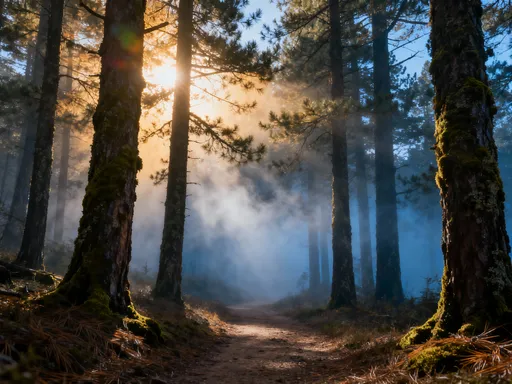
Mist rising from the valley at dawn, the coolness of the air before the sun climbs high, the way light shifts across the granite boulders in the Brindabella Ranges—these are experiences that unfold gradually. They ask for patience. They reward stillness. When you allow yourself to move slowly, you begin to notice subtleties: the pattern of animal tracks along a dried creek bed, the different calls of honeyeaters flitting between blossoms, the way the wind shapes the trees at higher elevations. These details form a richer, more intimate narrative than any guidebook can provide.
Moreover, slow travel supports sustainable tourism. By staying longer in one place, using low-impact transportation, and minimizing consumption, travelers reduce their environmental footprint. More importantly, they develop a sense of stewardship. When you spend hours sitting by a creek, watching dragonflies skim the water’s surface, you begin to care about the health of that ecosystem. This emotional connection often leads to more responsible choices, both during the trip and beyond. In Canberra’s wild spaces, moving slowly isn’t just a way to see more—it’s a way to care more.
Namadgi National Park: Where Wilderness Feels Untouched
Nestled in the southern reaches of the Australian Capital Territory, Namadgi National Park is a sanctuary of rugged beauty and ecological significance. Spanning over 100,000 hectares, it protects one of the largest remaining tracts of native bushland in the region. For those seeking a true escape from urban life, this park offers an immersive experience where the sounds of civilization fade and the presence of wilderness grows stronger with every step. It’s a place where you can hike for hours and not see another soul, where the night sky blazes with stars unobscured by light pollution, and where the land feels ancient and unspoiled.
One of the most rewarding ways to explore Namadgi is the Naas Valley walking track, a moderate trail that winds through open woodland, past granite outcrops, and alongside clear streams. The path follows the course of Naas Creek, where platypus have been spotted in the early morning hours. These elusive, duck-billed mammals are a symbol of Australia’s unique wildlife, and seeing one in the wild—its ripples cutting across the still water—is a moment of quiet wonder. Birdwatchers will delight in the variety of species here, from the striking crimson rosella to the shy pilotbird that darts through the undergrowth.
Camping in Namadgi offers a chance to fully immerse in the natural rhythm of the landscape. Designated campgrounds like Gudgenby and O’Reilly provide basic facilities while preserving the sense of solitude. There’s something profoundly grounding about waking to the sound of magpies singing at sunrise, boiling water on a camp stove, and stepping outside to mist clinging to the grass. Even in winter, when temperatures drop and frost dusts the ground, the park holds a quiet beauty. Snow occasionally dusts the higher peaks, transforming the Brindabellas into a rare alpine scene just a short drive from the city.
Equally important is the cultural heritage of Namadgi. The park lies on the traditional lands of the Ngunnawal people, who have lived in and cared for this country for thousands of years. Rock art sites, stone tools, and ceremonial grounds can be found throughout the area, offering glimpses into a deep and enduring connection to land. Ranger-led walks and interpretive signs help visitors understand this history, encouraging respect and reflection. Slow travel in Namadgi is not just about enjoying nature—it’s about recognizing the wisdom of those who have stewarded it for generations.
Tidbinbilla Nature Reserve: Conservation in Action
Just 40 minutes from Canberra’s city center, Tidbinbilla Nature Reserve stands as a powerful example of how conservation and public access can coexist. This 54-square-kilometer reserve is more than a scenic escape—it’s a living laboratory where endangered species are protected, bred, and gradually reintroduced into the wild. For visitors, it offers an opportunity to witness conservation in action, to learn about Australia’s fragile ecosystems, and to develop a deeper appreciation for the work being done to preserve native wildlife.
The Sanctuary Loop walking trail is one of the most accessible ways to experience Tidbinbilla’s conservation efforts. Along this well-maintained path, visitors can observe animals such as the southern brush-tailed rock-wallaby, a once-common species now classified as endangered due to habitat loss and predation. Enclosures designed to mimic natural habitats allow these agile climbers to thrive while remaining visible to observers. Other residents include the eastern bettong, a small marsupial once extinct on mainland Australia but now making a comeback thanks to reintroduction programs, and the critically endangered northern corroboree frog, whose bright yellow and black markings are as striking as its survival story.
What sets Tidbinbilla apart is its educational dimension. Ranger talks, scheduled throughout the day, provide insights into animal behavior, breeding cycles, and the challenges of ecosystem restoration. These sessions are especially valuable for families, offering children a chance to connect with wildlife in a meaningful way. Even without a formal talk, simply sitting by a pond and watching turtles bask in the sun or listening to the calls of galahs in the treetops fosters a sense of wonder and responsibility.
For those seeking a quieter experience, the Gungaderra Grasslands and the First Creek trail offer solitude and scenic beauty. Wildflowers bloom in spring, painting the hillsides in hues of purple, yellow, and white. Wallabies graze openly, unbothered by passing hikers, and wedge-tailed eagles circle high above. Tidbinbilla proves that protected areas are not just about preserving the past—they are active investments in the future of Australia’s biodiversity. By visiting with intention and respect, travelers become part of that story.
Lake Burley Griffin and the Urban-Nature Blend
At the heart of Canberra lies Lake Burley Griffin, a human-made lake that has become a natural focal point for recreation, relaxation, and wildlife observation. Unlike many urban lakes that are heavily developed or polluted, this body of water is carefully managed to support both people and nature. Its foreshores are lined with protected parklands, native plantings, and walking and cycling paths that encourage slow, mindful movement. Here, the boundary between city and wilderness softens, creating a unique space where urban life and natural rhythms coexist in harmony.
One of the most peaceful ways to experience the lake is on an early morning bike ride. As the sun rises over Black Mountain, the water is often still, reflecting the skyline like a mirror. Pelicans glide across the surface, and black swans move gracefully in pairs, their long necks arched elegantly. Along the banks, ibis and spoonbills forage in the shallows, while rainbow lorikeets burst from the trees in flashes of color. The air is fresh, the paths are quiet, and the pace is gentle—perfect for clearing the mind before the day begins.
Kayaking or paddleboarding offers an even more intimate perspective. From the water, you notice details you might miss from shore: the ripple of a fish breaking the surface, the way reeds sway in the breeze, the sudden splash of a diving cormorant. Several rental services operate around the lake, making it easy for visitors to access this serene experience. Even in the middle of the city, these moments of quiet immersion are possible, reminding us that nature doesn’t have to be remote to be restorative.
The design of Lake Burley Griffin reflects a long-term vision for sustainable urban living. Native vegetation has been restored along many sections of the foreshore, providing habitat for local species and improving water quality. Boardwalks and viewing platforms allow access without disturbing sensitive areas. Events like outdoor yoga, community clean-ups, and birdwatching walks further strengthen the connection between residents and the environment. In a world where cities are expanding rapidly, Canberra’s approach offers a model for how urban spaces can nurture both people and nature.
Practical Slow Travel: How to Experience It Responsibly
Experiencing Canberra’s hidden wild places doesn’t require special skills or expensive gear—it does, however, require intention. Slow travel is as much about mindset as it is about method. The first step is to let go of the need to see everything. Instead, choose one or two areas to explore in depth. Spend a full day at Tidbinbilla, return to the same walking trail at different times of day, or stay overnight in Namadgi to experience the transition from dusk to dawn. The more time you allow, the more the landscape reveals itself.
Transportation choices matter. Canberra is a cyclist-friendly city, with an expanding network of shared paths that connect suburbs to natural reserves. Renting a bike or using an electric scooter reduces emissions and allows for a more immersive journey. For longer trips to places like Namadgi or Tidbinbilla, carpooling with others minimizes impact. Once on foot, sticking to marked trails prevents soil erosion and protects native plants. Carrying a reusable water bottle, snack container, and waste bag ensures that no litter is left behind—a simple but vital practice in preserving these delicate environments.
Accommodation can also align with slow and sustainable travel. Several eco-lodges and retreats near the city’s green belts use solar power, harvest rainwater, and source food locally. Staying in these places supports environmentally responsible businesses and enhances the overall experience by offering quieter, more nature-focused settings. Even within the city, choosing hotels that have sustainability certifications or participate in green initiatives makes a difference.
Equally important is respecting wildlife. This means keeping a safe distance, not feeding animals, and avoiding loud noises that might disturb them. It also means being mindful of cultural sites, especially in areas like Namadgi where Aboriginal heritage is present. Following Leave No Trace principles—packing out all trash, minimizing campfire impact, and leaving natural objects where they are—ensures that these places remain pristine for future visitors. Responsible travel isn’t about restriction; it’s about care. When we treat nature with respect, we deepen our connection to it.
Why Protected Areas Matter—For Us and the Planet
The protected landscapes of the Australian Capital Territory are more than scenic backdrops—they are vital ecosystems that support life in countless ways. They act as carbon sinks, help regulate local climates, and provide refuge for species threatened by habitat destruction. In urban areas, they mitigate the heat island effect, lowering temperatures and improving air quality. But their value extends beyond ecology. These spaces offer mental and emotional benefits that are increasingly important in our fast-paced, screen-dominated lives.
Spending time in nature has been shown to reduce stress, improve mood, and enhance cognitive function. In Canberra’s reserves, where silence is still possible and the pace is set by wind and water rather than notifications and deadlines, these benefits are amplified. The act of slowing down—of truly being present—can feel like a reset for the mind and spirit. For parents, it offers a chance to model mindfulness for children. For retirees, it provides gentle activity and a sense of purpose. For everyone, it fosters a deeper appreciation for the natural world.
Moreover, these protected areas serve as living classrooms and inspiration for future conservation. When people form emotional connections to places—when they watch a wallaby hop across a trail or hear a lyrebird sing—they are more likely to support efforts to protect them. This personal experience translates into collective action, whether through volunteering, advocacy, or simple daily choices that reduce environmental impact.
Canberra challenges the assumption that capital cities must be purely political or cultural hubs. Instead, it shows that a city can be both modern and wild, structured and spontaneous, urban and natural. Its protected areas are not just add-ons—they are essential to its identity. By embracing slow travel, visitors do more than enjoy a peaceful getaway; they participate in a larger story of care, connection, and renewal. So the next time you think of Canberra, don’t just picture Parliament House. Picture a misty valley, a star-filled sky, a moment of stillness. Let that be your invitation to explore—not just the city, but the soul of the land.