You Won’t Believe These Hidden Viewpoints in Luang Prabang
Luang Prabang isn’t just another pretty town in Southeast Asia—it’s a place where time slows down and beauty reveals itself in quiet moments. I spent two weeks traveling slowly through its streets, temples, and surrounding hills, chasing sunrise views and secret spots most tourists miss. What I found were breathtaking viewpoints that felt like private windows into the soul of Laos. If you're looking for more than just photo ops, these places will change how you see slow travel forever.
Why Slow Travel Fits Luang Prabang Perfectly
Luang Prabang moves to a rhythm unlike any other Southeast Asian destination. Here, mornings begin with the soft shuffle of bare feet on stone as monks walk the alms route in silent procession. The scent of sticky rice and incense lingers in the cool air, and the golden spires of temples catch the first light like beacons. This is not a city built for speed. It is a place designed for presence, where each moment unfolds with intention and grace. Travelers who rush through risk missing the subtle magic that defines the town—like the way sunlight filters through banyan trees at 7 a.m. or how the Mekong River changes color with the sky.
Choosing to travel slowly in Luang Prabang isn’t just a preference—it’s a strategy for deeper discovery. When you allow yourself to linger, you begin to notice patterns: the same elderly woman selling lotus blossoms at the market every morning, the children laughing as they splash in the Nam Khan River after school, the way temple bells echo differently at dusk than at dawn. These details form the texture of daily life, and they are only visible to those who are not in a hurry. Viewpoints, in particular, benefit from this mindful pace. A hilltop seen at sunrise offers one kind of beauty; the same spot at mid-morning, with light shifting across the valley, reveals another.
Moreover, slow travel aligns with the cultural heartbeat of Laos. Locals value calmness, respect, and connection over efficiency or spectacle. By adopting a slower rhythm, visitors honor that ethos. It also makes exploration safer and more sustainable—especially when navigating uneven trails or visiting sacred sites. There is no need to check off every temple or viewpoint in a single day. Instead, the goal becomes immersion: letting the landscape, sounds, and people shape your experience. This approach transforms sightseeing into something more meaningful—a quiet dialogue between traveler and place.
Phousi Hill – The Classic with a Twist
No visit to Luang Prabang feels complete without climbing Phousi Hill, the 100-meter-tall landmark that rises dramatically from the town’s center. Crowned with a golden stupa and surrounded by prayer flags, it offers one of the most accessible panoramic views in the region. From the top, the Mekong and Nam Khan rivers form a gentle ‘Y’ as they converge, while centuries-old temples and French colonial buildings blend seamlessly into the lush green hills. Yet, while Phousi Hill is well-known, many tourists experience it the same way—crowded at sunset, jostling for space on the viewing platforms.
To truly appreciate this iconic spot, timing is everything. Arriving just before sunrise transforms the experience entirely. At 5:30 a.m., the air is crisp, the sky shifts from indigo to soft gold, and the only sounds are distant chants from nearby monasteries and the occasional rustle of leaves. The climb, though steep, becomes meditative when done in near silence. Fewer people mean space to breathe, reflect, and take in the unfolding light without distraction. The reward? A view bathed in golden hour glow, with mist curling over the river like ribbons.
For those visiting in the afternoon or evening, consider coming earlier than the typical sunset crowd—around 4:30 p.m. This allows time to explore the small shrines along the switchback paths, where local families leave offerings of flowers and candles. Wearing comfortable shoes is essential, as the steps are uneven and can be slippery after rain. Bringing a bottle of water and a small flashlight (if descending after dark) adds to comfort and safety. While Phousi Hill may be the most photographed viewpoint in town, approaching it with patience and awareness turns it from a checklist item into a moment of connection.
Mount Phou Si’s Hidden Side Path
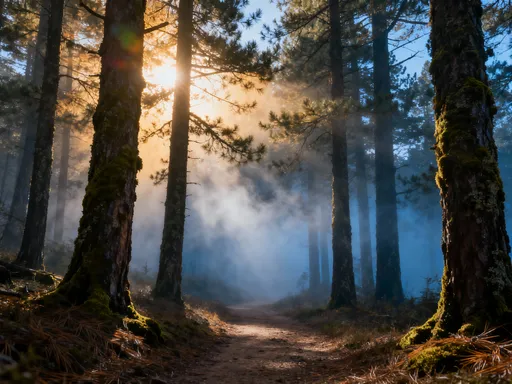
Just beyond the main staircase of Phousi Hill lies a lesser-known trail on the northern slope—one that few tourists ever take. This quiet path winds through dense jungle, offering a completely different perspective on the mountain and the town below. Unlike the bustling main route, this side trail is shaded, serene, and rich with natural detail. It begins behind a small shrine near the base and climbs gradually through moss-covered stone steps, twisted tree roots, and curtains of hanging vines. Within minutes, the noise of the street fades, replaced by birdsong and the whisper of wind through the canopy.
What makes this path special is not just its seclusion but the way it reveals hidden glimpses of the Mekong River between the trees. At certain bends, the foliage parts unexpectedly, offering framed views of the water shimmering in the sunlight. These surprise vistas feel intimate, almost secret—like discovering a personal postcard no one else has seen. The trail also passes several small, weathered stupas tucked into the hillside, their gold paint faded by time. These quiet shrines invite brief pauses, moments of stillness that deepen the sense of journey.
Walking this path slowly allows travelers to notice details that would be missed at a faster pace: the texture of lichen on stone, the scent of damp earth after a morning shower, the distant call of a cicada. It’s a sensory experience as much as a visual one. Because the trail is not officially marked, it’s easy to overlook—but asking a local guide or guesthouse staff can lead you to the starting point. This route is not for those in a hurry, nor for those expecting handrails and signs. Instead, it rewards curiosity and calm. For travelers seeking a more contemplative ascent, this hidden path offers a meaningful alternative to the well-trodden steps of Phousi Hill.
The Secret Terrace Behind Wat That Chalun
Nestled on the quieter western edge of Luang Prabang, away from the main tourist thoroughfares, lies Wat That Chalun—a modest temple often overlooked by visitors. What many don’t realize is that behind the main hall, accessible via a narrow stone path, is a small elevated terrace that offers one of the most peaceful views in the city. From this vantage point, the tree canopy stretches out like a green sea, dotted with the red-tiled roofs of old monasteries and the distant silhouette of Phousi Hill. The Mekong River glimmers faintly in the background, framed by rolling hills that fade into the horizon.
This spot is rarely crowded, making it ideal for quiet reflection or a solitary morning coffee. There are no vendors, no tour groups, no loud conversations—just the occasional monk walking through the temple grounds or a local tending to the flower beds. The stillness here feels intentional, almost sacred. Sitting on the low stone wall that borders the terrace, it’s easy to lose track of time as light moves across the landscape, illuminating different corners of the valley with each passing hour.
Visitors can enhance the experience by combining it with a brief meditation session or journaling. Because the temple remains an active place of worship, it’s important to dress modestly and speak in hushed tones. Removing shoes before stepping onto the terrace is also respectful. Early mornings are best, especially between 6:30 and 7:30 a.m., when the air is cool and the golden light filters softly through the trees. This hidden viewpoint is not about grand panoramas—it’s about intimacy, stillness, and the quiet joy of discovering a place that feels untouched by the rush of tourism.
Riverfront Vantage Points Along the Mekong
While hilltops offer sweeping views, some of the most soulful perspectives in Luang Prabang come from ground level—along the banks of the Mekong River. A series of informal vantage points, accessible by foot or bicycle from the town center, allow travelers to experience the river’s rhythm up close. Unlike structured viewpoints, these spots are woven into daily life: a wooden bench near the National Museum, a low stone pier used by fishermen, a quiet patch of grass where families gather at dusk. Each offers a different lens on the river’s quiet beauty.
One of the most serene spots is a simple wooden bench located just past the Royal Palace Museum, where the river bends gently and reflections stretch long in the late afternoon light. It’s a favorite among locals who come to read, chat, or simply sit in silence. Another hidden gem is a narrow pier near the village of Ban Xieng Mouane, where wooden boats are tied up and children leap into the water during hot afternoons. From here, the view includes not just the river but the life that unfolds along its banks—monks walking in single file, women washing clothes, farmers poling bamboo rafts downstream.
Sitting still at these riverfront points teaches a different kind of observation. Instead of scanning the horizon, you begin to notice movement—the dip of an oar, the flicker of a fish breaking the surface, the way sunlight dances on ripples. These moments accumulate into a deeper understanding of place. Cycling along the river road at dawn or dusk offers even more opportunities to pause and absorb the scenery. With minimal traffic and wide-open sightlines, it’s possible to stop wherever the moment feels right. These informal viewpoints remind us that beauty isn’t always found at the end of a climb—it’s often waiting quietly by the water, asking only for our attention.
Viewpoints from a Traditional Longboat Trip
One of the most dynamic ways to experience Luang Prabang’s landscape is from the water—on a traditional longboat journey upstream toward the famous Pak Ou Caves. While many tourists focus on the caves themselves, the real magic often lies in the journey. As the boat glides along the Mekong, the perspective shifts constantly, revealing new angles of the river, cliffs, and jungle-covered hills. Unlike static viewpoints, this moving vantage point offers a flowing panorama—one that changes with every bend in the river.
Along the way, several natural lookouts emerge where the cliffs recede and wide riverbanks open up. These spots, often inaccessible by foot, provide perfect opportunities for quiet stops and photography. A skilled local boatman will know where to pause—perhaps at a sandy cove where herons stand motionless in the shallows, or beneath a limestone cliff where sunlight streams through cracks like spotlights. Some boats even allow short hikes up small trails leading to elevated clearings with commanding views of the river below.
Hiring a local guide enhances the experience beyond scenery. They can share stories about the river’s significance in Lao culture, point out medicinal plants along the banks, or explain the history of riverside villages. These narratives add emotional depth to the views, transforming them from picturesque backdrops into living landscapes. The slow pace of the longboat—no engines roaring, no schedules to keep—encourages mindfulness. You begin to notice the sound of water against the hull, the cool breeze off the surface, the way shadows lengthen as the sun moves west. This journey is not just about reaching a destination; it’s about savoring the act of moving through space with awareness.
Sunrise Over the Rice Fields: A Rural Escape
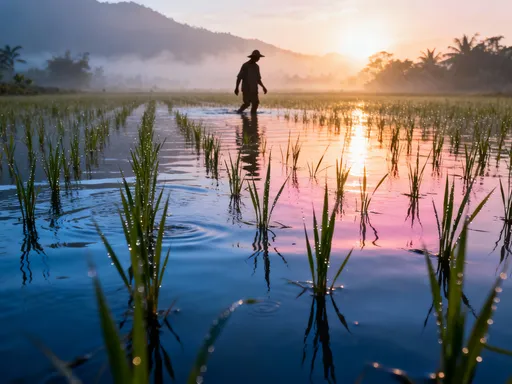
For a perspective far from the town center, a short trip to the countryside offers one of Luang Prabang’s most poetic views: sunrise over the rice fields. A 20-minute tuk-tuk or bicycle ride south of the city leads to villages like Ban Phanom or Ban Xang Hai, where flooded paddies stretch across the valley like mirrors. At dawn, especially during the wet season, mist rises gently from the water, blurring the line between earth and sky. Farmers in conical hats move quietly between plots, their reflections doubling in the still surface.
Arriving before 6 a.m. ensures the best light and the fewest distractions. The air is cool, the world feels hushed, and the first rays of sun paint the fields in soft gold and pink. It’s a scene of quiet productivity and natural harmony—one that speaks to the agricultural heart of Laos. Unlike the grand vistas of hilltops or rivers, this view is intimate and grounded, connecting the observer to the cycles of planting, growth, and harvest.
Travelers should approach these rural areas with respect. Staying on designated paths, avoiding loud noises, and asking permission before photographing people are small but meaningful gestures. Many villagers welcome respectful visitors, especially those who support local crafts—like handmade textiles in Ban Phanom or rice wine in Ban Xang Hai. This kind of travel leaves no trace but creates lasting memories. Watching the sun rise over the rice fields is not just a visual experience; it’s a reminder of how deeply human life is tied to the land. In a world that often feels disconnected, this moment of stillness offers a quiet kind of healing.
Conclusion: More Than Just Scenery
Each of these viewpoints in Luang Prabang offers more than a beautiful backdrop for photographs. They invite a deeper kind of engagement—one that asks travelers to slow down, observe, and connect. Whether standing atop Phousi Hill at dawn, sitting quietly behind Wat That Chalun, or drifting down the Mekong in a wooden boat, the experience becomes not just about what you see, but how you feel. The beauty of Luang Prabang lies not only in its landscapes but in the way it encourages presence, mindfulness, and respect.
These hidden vantage points reveal a truth about travel: the most meaningful moments often come not from rushing to the next destination, but from pausing long enough to truly see. They remind us that exploration is not a race, and that the soul of a place is found in its quiet corners, its daily rhythms, and its unguarded moments. By moving slowly, we open ourselves to connection—with the land, with local lives, and with our own inner stillness.
So the next time you plan a journey, let Luang Prabang be a model. Let its quiet streets, golden temples, and hidden lookouts inspire a different way of traveling—one that values depth over distance, stillness over speed, and meaning over momentum. Because sometimes, the most unforgettable views are the ones that change not just what you see, but who you become while seeing them.