You Won’t Believe What Phoenix’s Hidden Commercial Gems Are Hiding
Phoenix isn’t just sun and sand—it’s a city buzzing with underrated commercial energy waiting to be explored. I hit the streets with no map, just curiosity, and stumbled upon vibrant districts where local culture meets modern flair. From open-air markets to design-driven boutiques, these spaces are more than shopping stops—they’re experiences. If you think Phoenix is just desert highways, think again. This is urban discovery at its most authentic. Beneath the surface of its sun-drenched reputation lies a network of neighborhoods pulsing with creativity, community, and commerce. These are not just places to spend money—they are places to connect, to feel the rhythm of daily life, and to witness how a city reinvents itself without losing its soul.
Reimagining Phoenix: Beyond the Desert Stereotype
For decades, Phoenix was seen primarily as a retirement haven or a stopover for road-trippers heading to Sedona or the Grand Canyon. But today’s Phoenix defies those outdated assumptions. The city has undergone a quiet transformation, evolving into a dynamic urban center where innovation, culture, and commerce intersect in unexpected ways. With steady population growth, an influx of young professionals, and a surge in entrepreneurial activity, Phoenix is no longer defined solely by its climate or sprawl. Instead, it’s being reshaped by a new generation of creators, shop owners, and community leaders who are redefining what urban life can look like in the desert.
This shift is evident in the way commercial spaces are being reimagined across the city. Where empty storefronts once dotted neglected corridors, you now find art installations, pop-up markets, and independently owned cafes. Vacant lots have been transformed into outdoor gathering spaces, often anchored by food trucks and live music. These changes reflect more than economic development—they signal a cultural awakening. Phoenix is embracing its identity not as a city waiting to happen, but as one already in motion, driven by local energy and grassroots vision.
Tourism plays a growing role in this evolution. Visitors are no longer confined to resorts and golf courses; they’re venturing into neighborhoods to experience authentic local flavor. Travel guides and digital platforms have begun highlighting Phoenix’s creative districts, drawing attention to areas that were once overlooked. At the same time, residents are taking pride in their communities, supporting small businesses and advocating for sustainable urban growth. This dual momentum—local engagement and external interest—is fueling a renaissance that feels both organic and enduring.
Downtown Phoenix: The Beating Heart of Urban Revival
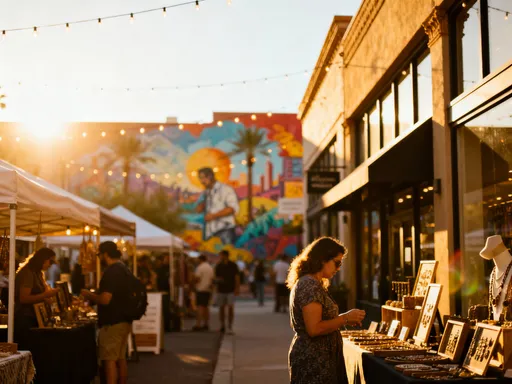
Downtown Phoenix stands at the center of this transformation, serving as both a physical and symbolic hub of renewal. Once considered a quiet, underutilized core, the area has emerged as a vibrant destination where art, commerce, and community converge. The Roosevelt Row Arts District, stretching along Roosevelt Street, is a prime example of this revival. Once an industrial corridor, it now pulses with color, creativity, and foot traffic. Murals cover building facades, galleries open their doors on First Fridays, and sidewalk vendors sell handmade jewelry, ceramics, and local art.
What makes Roosevelt Row so compelling is its authenticity. Unlike curated shopping districts designed for tourist appeal, this neighborhood feels lived-in and evolving. Independent boutiques showcase locally designed clothing, while small cafes serve pour-over coffee and house-made pastries. Pop-up shops appear seasonally, often tied to art walks or cultural events, giving the area a sense of spontaneity and discovery. The weekend farmers market draws families, foodies, and curious visitors, offering fresh produce, artisanal goods, and live music in a festive, open-air setting.
Along Central Avenue, historic buildings have been thoughtfully repurposed into mixed-use spaces. Old bank vaults now house cocktail bars, and former office buildings have been converted into lofts and retail spaces. This blend of preservation and innovation creates a unique urban aesthetic—one that honors the past while embracing the future. The result is a downtown that doesn’t feel imposed or artificial, but rather organically grown, shaped by the needs and dreams of its people. It’s a place where you can sip a latte in a restored 1920s building, browse a contemporary art gallery, and end the day at a rooftop restaurant with panoramic city views.
Biltmore Fashion Park & The Biltmore Area: Where Elegance Meets Lifestyle
Just a short drive from downtown lies another side of Phoenix’s commercial landscape—the polished elegance of the Biltmore area. Anchored by the Biltmore Fashion Park, this open-air destination offers a refined shopping and dining experience set against a backdrop of lush landscaping and Spanish colonial architecture. Unlike enclosed malls, the Biltmore invites visitors to stroll under shaded walkways, pause at outdoor fountains, and enjoy the desert breeze while exploring a curated mix of retail and culinary offerings.
The shopping experience here is both upscale and accessible. International luxury brands share space with boutique retailers that emphasize craftsmanship and style. You’ll find everything from high-end fashion and designer handbags to locally curated home goods and specialty beauty products. What sets the Biltmore apart is its attention to detail—the layout encourages leisurely exploration, with comfortable seating areas, seasonal floral displays, and subtle lighting that enhances the ambiance in the evening.
Dining options are equally impressive, ranging from fine dining establishments to casual eateries with outdoor patios. Restaurants emphasize fresh, seasonal ingredients, often with a Southwestern twist. Whether you’re enjoying a glass of wine at a rooftop bar or sharing tapas at a Mediterranean-inspired bistro, the atmosphere is one of relaxed sophistication. The Biltmore isn’t just a place to shop or eat—it’s a lifestyle destination where residents come to celebrate milestones, enjoy weekend outings, or simply treat themselves to a little indulgence.
For visitors, the Biltmore offers a glimpse into the more polished side of Phoenix living. It’s a place where comfort meets elegance, and where the desert climate is embraced rather than ignored. The open-air design allows for natural ventilation and scenic views, making it a year-round destination. While it may lack the grit of emerging neighborhoods, the Biltmore plays a vital role in Phoenix’s commercial ecosystem, offering a space for celebration, connection, and refined urban enjoyment.
Arcadia Neighborhood & 32nd Street: Hidden Retail with Soul
For those seeking a quieter, more intimate commercial experience, the Arcadia neighborhood and its main artery, 32nd Street, offer a refreshing contrast to the city’s busier districts. Nestled between Camelback Mountain and the Salt River, Arcadia feels more like a secluded village than a city neighborhood. Its tree-lined streets, mid-century homes, and proximity to nature create a serene atmosphere that belies the vibrant commercial life hidden within.
Along 32nd Street, a collection of independently owned businesses thrives without the fanfare of larger districts. Here, you’ll find a yoga studio with a devoted following, a small-batch coffee roaster that sources beans from sustainable farms, and a boutique offering handmade soaps, candles, and organic skincare products. These establishments aren’t designed for mass appeal—they cater to a community that values quality, authenticity, and personal connection.
One of the most striking aspects of this corridor is its lack of chain stores. There are no fast-food franchises or national retailers dominating the landscape. Instead, each business feels like an extension of its owner’s personality and values. A flower shop might display seasonal arrangements in vintage bottles, while a wellness center offers aromatherapy sessions and mindfulness workshops. These spaces invite slow engagement—there’s no rush to move from one store to the next. Shoppers linger, chat with owners, and often leave with more than just a purchase; they leave with a story.
The quiet charm of Arcadia makes it a favorite among longtime residents and those seeking respite from the city’s pace. Yet, it’s also becoming a destination for visitors interested in off-the-beaten-path experiences. Travelers who venture here often describe it as feeling “undiscovered,” even though it’s been a beloved local secret for years. In a city where growth can sometimes mean homogenization, Arcadia stands as a reminder that commercial vitality doesn’t require scale—it requires soul.
Midtown and Grand Avenue: Creativity as Commerce
Midtown Phoenix, particularly along Grand Avenue, represents one of the city’s most dynamic examples of creativity driving economic renewal. Once an industrial corridor lined with warehouses and auto shops, Grand Avenue has transformed into a cultural hotspot where art, music, and small business thrive. This transformation didn’t come from top-down development—it emerged from the ground up, led by artists, makers, and community organizers who saw potential in forgotten spaces.
Today, Grand Avenue is home to vintage clothing stores, independent record shops, craft breweries, and artist studios. Murals adorn nearly every available wall, turning the streets into an open-air gallery. On any given day, you might stumble upon a pop-up clothing sale in a repurposed garage, a live painting session in a shared workspace, or a small concert at a microbrewery. The energy is raw, unpredictable, and deeply human. Unlike more polished districts, Grand Avenue embraces imperfection—it’s a place where creativity is visible in the cracks, not hidden behind facades.
Community initiatives have played a crucial role in this evolution. Organizations like the Grand Avenue Visioning Team and local arts collectives have worked to preserve the area’s character while supporting sustainable growth. Events like the monthly Art Walk and the Grand Avenue Farmers Market bring people together, fostering connections between residents, artists, and visitors. These gatherings are more than just social events—they are acts of collective ownership, reinforcing the idea that public space belongs to everyone.
Yet, this transformation hasn’t been without challenges. As Grand Avenue gains popularity, concerns about gentrification have grown. Rising rents and increased foot traffic threaten to push out the very artists and small businesses that made the area vibrant in the first place. Balancing growth with authenticity remains an ongoing conversation. The future of Grand Avenue depends not on how much it changes, but on how well it preserves the spirit that made it special—raw creativity, community collaboration, and a commitment to inclusivity.
Arizona Mills & Desert Ridge Marketplace: Mega Malls with a Twist
While Phoenix’s smaller commercial districts offer intimacy and character, the city also embraces large-scale retail environments that cater to diverse needs. Arizona Mills and Desert Ridge Marketplace are two of the most prominent examples—mega malls that go beyond traditional shopping to deliver immersive experiences. Designed for convenience, variety, and entertainment, these destinations attract families, tourists, and locals alike, especially during peak seasons.
Arizona Mills, located near Tempe Town Lake, is an indoor outlet mall featuring over 200 stores, many offering discounted prices on brand-name goods. What sets it apart is its integration of entertainment options. Within the same complex, visitors can enjoy a bowling alley, a ropes course, a butterfly exhibit, and multiple dining choices. The layout is designed to keep people engaged for hours, making it a popular spot for birthday parties, school outings, and weekend escapes. For tourists, it offers a climate-controlled environment where shopping and fun coexist, especially welcome during the summer months.
Desert Ridge Marketplace, on the other hand, is an open-air lifestyle center in North Phoenix that blends retail, dining, and leisure. With its palm-lined walkways, water features, and outdoor seating, it mimics the feel of a resort. Stores range from mainstream retailers to specialty shops, and the food court includes a variety of cuisines, from Mexican to Asian fusion. The center also hosts seasonal events—holiday markets, live music, and family-friendly activities—that enhance its appeal beyond shopping.
These large-scale environments serve an important function in Phoenix’s commercial ecosystem. They provide accessibility and variety, especially for those who prioritize convenience or are unfamiliar with the city’s more nuanced neighborhoods. While they may lack the individuality of smaller districts, they reflect another facet of urban life—one centered on ease, entertainment, and broad appeal. For many families, a visit to Arizona Mills or Desert Ridge is not just about buying things; it’s about spending time together in a safe, engaging environment.
Why These Spaces Matter: The Bigger Picture of Urban Discovery
The diversity of Phoenix’s commercial districts reveals something deeper about the city’s identity. Each neighborhood tells a different story—of renewal, elegance, soul, creativity, and convenience. Together, they form a mosaic that reflects the values, aspirations, and rhythms of everyday life. These spaces are not just economic engines; they are social connectors, cultural expressions, and mirrors of community identity.
Supporting local businesses is more than a consumer choice—it’s a way of investing in the city’s future. When you buy from a neighborhood boutique, attend a pop-up market, or dine at a family-owned restaurant, you’re contributing to a network of resilience and authenticity. These small acts help preserve the character of neighborhoods that might otherwise be overtaken by generic development. They also foster personal connections—between shop owners and customers, between neighbors, and between visitors and the places they explore.
For travelers, engaging with these commercial spaces offers a richer, more meaningful experience than ticking off landmarks. Instead of viewing a city through a list of must-see attractions, you begin to understand it through its daily rhythms—where people gather, what they value, how they express themselves. This kind of discovery doesn’t require grand gestures; it happens in quiet moments—a conversation with a barista, a glance at a hand-painted sign, a pause to admire a mural.
Urban discovery, at its best, is about curiosity and openness. It’s about stepping off the main road, following a side street, and allowing yourself to be surprised. Phoenix, with its layered commercial landscape, invites exactly this kind of exploration. It rewards those who look beyond the surface, who are willing to see the city not as a collection of destinations, but as a living, breathing entity shaped by its people.
Conclusion: Rediscovering Phoenix, One Street at a Time
Phoenix is more than its postcard image of sunbaked landscapes and sprawling suburbs. Beneath that familiar exterior lies a city alive with commercial vitality, creative energy, and community spirit. From the artistic pulse of Roosevelt Row to the refined elegance of the Biltmore, from the soulful charm of Arcadia to the grassroots energy of Grand Avenue, Phoenix offers a spectrum of experiences that challenge old assumptions and invite deeper connection.
The true magic of the city isn’t found in any single landmark, but in the spaces between—the corner coffee shop, the hidden boutique, the mural-covered alley. These are the places where urban life unfolds in its most authentic form. They remind us that discovery isn’t about checking off destinations; it’s about slowing down, paying attention, and allowing a place to reveal itself over time.
As Phoenix continues to grow, its commercial districts will evolve. Some may gain popularity, others may face challenges, but the heart of the city will remain in its neighborhoods—the places where people live, create, and gather. For visitors and residents alike, the invitation is clear: explore with curiosity, support with intention, and discover the city not as it’s described, but as it’s lived. In the end, the most unforgettable journeys are not the ones that follow a map, but the ones that follow a feeling—of connection, wonder, and unexpected delight.