You Won’t Believe What I Found Shopping in Novi Sad
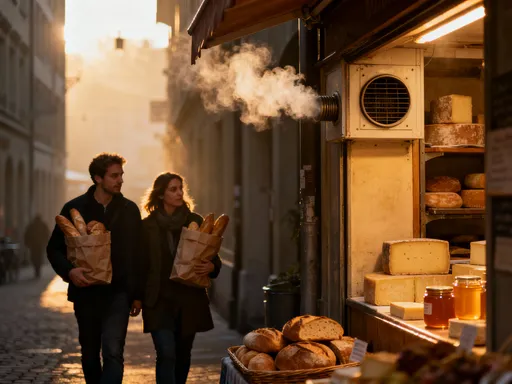
If you think shopping in the Balkans is just markets and malls, Novi Sad will blow your mind. I went looking for souvenirs and left with stories, style, and a bag full of surprises. From hidden boutiques to buzzing street markets, this city blends tradition and trend in ways I never expected. Let me take you through the real shopping scene—authentic, vibrant, and totally underrated. With its cobblestone lanes echoing with accordion music and shopfronts glowing under soft golden light, Novi Sad doesn’t just sell goods—it offers moments. This isn’t retail therapy; it’s cultural immersion wrapped in fabric, flavor, and craftsmanship.
First Impressions: A City That Shops with Soul
Arriving in Novi Sad feels like stepping into a well-worn novel where every street corner has a story. Nestled along the sweeping curves of the Danube River, the city carries a quiet confidence—neither rushed nor rehearsed. The air hums with creativity, from street musicians tuning their instruments near Liberty Square to artists sketching by the water’s edge. It’s this artistic pulse that shapes the rhythm of daily life, including how people shop. Unlike capital cities where consumerism often dominates, Novi Sad’s approach is more intimate, more intentional. Shopping here isn’t just about acquiring things—it’s a form of expression, a way to support neighbors, celebrate heritage, and stay connected to local identity.
The city’s layered history—Austro-Hungarian architecture, Yugoslav-era pragmatism, and a modern wave of entrepreneurial energy—creates a shopping landscape that honors both old and new. You’ll find grandmothers selling homemade ajvar beside sleek concept stores showcasing regional designers. There’s no pressure to conform to global trends; instead, there’s pride in what’s handmade, what’s grown nearby, what’s passed down through generations. This balance makes shopping feel less like a transaction and more like participation in a living culture. Whether you're browsing a weekend farmers’ market or stepping into a tiny atelier tucked between cafes, you’re not just buying—you’re engaging.
What stands out most is the absence of commercial overload. There are no towering billboards or chain stores on every block. Instead, shop windows display carefully arranged goods—hand-stitched leather bags, jars of wildflower honey, hand-thrown ceramics—each item telling a quiet story. This isn’t accidental. Locals value authenticity, and visitors are invited to slow down and appreciate the detail. The result is a shopping experience that feels personal, grounded, and refreshingly free of pretense. In Novi Sad, commerce has soul.
Limanska Street: Where Locals Actually Shop
If there’s one street that captures the heartbeat of Novi Sad’s shopping culture, it’s Limanska. Far from the polished predictability of shopping malls, this pedestrian-friendly avenue pulses with real life. It’s where students meet after class for coffee, where artists pick up supplies, and where families stroll on Sunday afternoons. The storefronts are a mix of long-standing family businesses and fresh startups, each contributing to a dynamic, ever-evolving streetscape. This is not a tourist trap designed for Instagram photos—it’s where Serbians come to shop, socialize, and see and be seen.
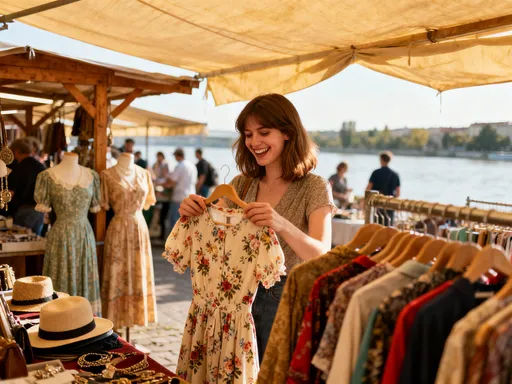
Walking down Limanska feels like flipping through the pages of a local lifestyle magazine. Vintage clothing shops with mannequins dressed in retro Yugoslav prints sit beside modern boutiques selling minimalist linen wear. You’ll find independent bookstores with handwritten staff picks, small record shops spinning folk and jazz tunes, and apothecaries offering herbal remedies made from regional plants. One moment you’re admiring hand-knit wool scarves dyed with natural pigments, and the next you’re sipping strong Serbian coffee at a sidewalk cafe while watching the world go by. The energy is relaxed but electric—a perfect blend of comfort and discovery.
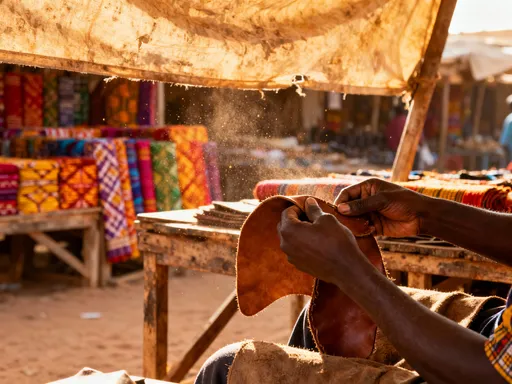
What sets Limanska apart is its authenticity. Prices are fair, often negotiated with a smile rather than aggression. Shopkeepers remember regulars by name and aren’t pushy—they’re happy to let you browse, ask questions, or simply enjoy the ambiance. You won’t find luxury brands or flashy displays, but you will find things you can’t get anywhere else: a leather journal bound with local craftsmanship, a ceramic mug shaped by a potter in a nearby village, or a vintage silk blouse from the 1970s, carefully preserved. These aren’t souvenirs in the generic sense—they’re pieces of Novi Sad’s living culture.
The Market Magic of Dunavski Centar & Zeleni Venac
For a fuller picture of how Novi Sad shops, it’s essential to explore both its modern shopping centers and its traditional open-air markets. Dunavski Centar, the city’s largest indoor mall, offers convenience and comfort. Anchored by major regional retailers and international brands, it’s a go-to for electronics, cosmetics, and ready-to-wear fashion. Air-conditioned and well-organized, it’s especially popular during summer heatwaves or winter rains. Yet even here, local flavor sneaks in—small kiosks sell traditional sweets like baklava and krempita, and seasonal pop-ups highlight regional artisans during holidays.
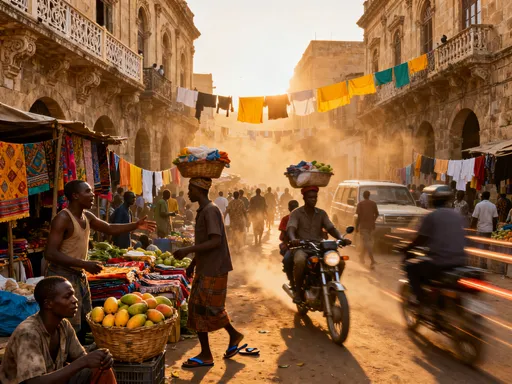
In contrast, Zeleni Venac is where tradition reigns. This open-air market has been a cornerstone of daily life for generations, a place where farmers from surrounding villages bring their freshest produce to sell directly to consumers. Rows of stalls overflow with seasonal fruits and vegetables—plump plums, deep purple eggplants, heirloom tomatoes still warm from the sun. Vendors proudly display homemade cheeses, cured meats, and jars of homemade jams and pickles. The scent of fresh bread and roasting peppers fills the air, mingling with the earthy aroma of herbs bundled in twine.
Shopping at Zeleni Venac is as much about the experience as the items you buy. Bargaining is gentle and polite—more a dance than a battle. A simple “Can this be 200 dinars?” followed by a warm laugh often leads to a small discount and a sample of something delicious. Vendors are eager to share recipes, explain how their peppers are grown without pesticides, or recommend the best cheese for a picnic by the river. It’s a dialogue, not a transaction. And while you can find affordable clothing and household goods here too, the true value lies in the connection—to people, to place, to seasonality.
For visitors, combining a visit to both markets offers a balanced view. Dunavski Centar provides efficiency and variety, while Zeleni Venac delivers authenticity and sensory richness. Go in the morning for the best selection at the open-air market, and save the mall for late afternoon when it’s less crowded. And don’t miss the small eateries nearby—try a cevapi sandwich wrapped in somun bread or a warm burek fresh from the oven. These bites aren’t just fuel; they’re part of the shopping journey.
Hidden Gems: Small Boutiques Off the Beaten Path
While Limanska Street and the main markets draw crowds, some of Novi Sad’s most memorable shopping experiences happen in quieter corners. Venture into the historic Stari Grad (Old Town) district or cross the bridge to Ribarsko Ostrvo, and you’ll find intimate boutiques and studios that feel like secret discoveries. These are not places you stumble upon by accident—they’re destinations for those who seek something unique, something made with care.
In a narrow alley near the Name of Mary Church, a tiny shop called Atelje 33 displays handwoven textiles in soft earth tones. The owner, a third-generation weaver, works on a loom visible through the front window. Her scarves and table runners incorporate traditional Vojvodina patterns, but with a modern twist in color and texture. Nearby, a jewelry studio offers one-of-a-kind pieces made from recycled silver and semi-precious stones sourced from the Carpathian region. Each necklace or bracelet comes with a small card explaining the artisan’s inspiration—often drawn from folklore, nature, or family history.
What makes these boutiques special is their curation. They don’t stock hundreds of items; instead, they offer a carefully selected range of goods that reflect the owner’s taste and values. You won’t find mass-produced trinkets or cheap imports. Every object has been chosen or made with intention. In Ribarsko Ostrvo, a riverside neighborhood known for its bohemian vibe, a small fashion atelier specializes in slow fashion—garments made from organic cotton and linen, dyed with plant-based pigments. The designer often hosts small workshops, inviting visitors to try their hand at natural dyeing or hand-stitching.
Supporting these small businesses does more than yield a beautiful souvenir—it strengthens the local economy and preserves cultural practices that might otherwise fade. When you buy from an artisan, you’re not just purchasing an item; you’re helping keep a craft alive. And the personal touch makes all the difference. Many shop owners will wrap your purchase in handmade paper, include a handwritten note, or even suggest a nearby spot for coffee. These small gestures transform shopping from a chore into a meaningful exchange.
Craft Markets and Seasonal Fairs: When the City Comes Alive
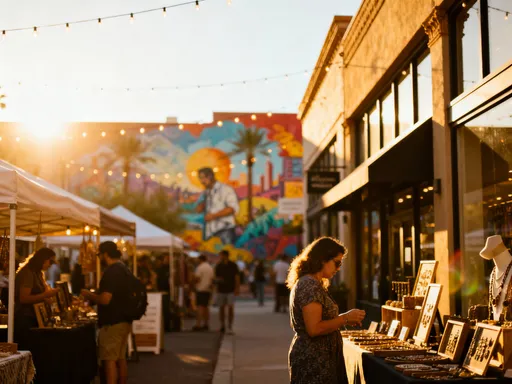
One of the most magical times to visit Novi Sad is during its festivals, when the city transforms into a living marketplace of creativity. The most famous, EXIT Festival, draws international crowds to Petrovaradin Fortress each summer. While music is the main draw, the festival also features a vibrant craft market where local artisans sell everything from hand-painted ceramics to upcycled fashion. Strolling through the market as the sun sets over the Danube, with live folk music drifting through the air, feels like stepping into a dream.
But it’s not just summer that brings shoppers out. During the holiday season, Novi Sad hosts a charming Christmas fair in Liberty Square. Wooden stalls glow with fairy lights, offering warm rakija (fruit brandy), roasted chestnuts, and handmade ornaments. Children press their noses against glass displays filled with gingerbread cookies shaped like stars and hearts. Artisans sell woolen mittens, carved wooden toys, and beeswax candles—perfect gifts that carry the warmth of the season.
These seasonal markets are more than shopping destinations—they’re community events. They reflect the rhythm of life in Novi Sad, where celebration and commerce intertwine. Unlike permanent stores, pop-up markets offer surprise and variety. You might find a potter from Subotica selling salt-glazed mugs one weekend, and a herbalist from Fruška Gora offering lavender sachets the next. The temporary nature of these markets makes each visit feel special, even urgent—as if you’re capturing a moment before it disappears.
For travelers, timing a visit around these events can elevate the entire experience. Even outside festivals, smaller craft fairs pop up in parks and cultural centers, often organized by women’s cooperatives or youth groups. These events support emerging talent and give visitors access to fresh, innovative designs. Whether you’re drawn to embroidered tablecloths, natural skincare made with local herbs, or hand-bound notebooks, these markets offer souvenirs with soul—objects that tell a story long after you’ve returned home.
Smart Shopping: Practical Tips for Visitors
To make the most of your shopping experience in Novi Sad, a few practical tips can go a long way. First, while credit cards are widely accepted in malls and larger boutiques, smaller markets and independent shops often operate on a cash-only basis. It’s wise to carry Serbian dinars, especially when visiting open-air markets or rural craft fairs. ATMs are readily available in the city center, but it’s best to withdraw what you need during daylight hours for safety and convenience.
When it comes to pricing, Novi Sad is generally affordable by Western European standards. A handmade ceramic bowl might cost between 1,500 and 3,000 dinars (about $14–28), while a vintage wool coat from a secondhand shop could range from 5,000 to 10,000 dinars ($45–90). Fresh produce at Zeleni Venac is exceptionally inexpensive—seasonal fruits and vegetables often cost less than $1 per pound. For higher-ticket items like jewelry or custom clothing, don’t hesitate to ask about materials, production methods, and care instructions. Artisans appreciate thoughtful questions and are usually happy to share their process.
Tourists from outside the EU may be eligible for VAT refunds on certain purchases, particularly in larger stores that display the “Tax Free” sign. Keep your receipts and ask the shopkeeper for guidance on how to claim your refund at the airport. Not all stores participate, so it’s worth confirming in advance if you’re making a significant purchase.
To avoid mass-produced imports disguised as local goods, look for signs of authenticity: handmade labels, natural materials, and personal interaction with the seller. If an item feels too perfect, too uniform, or too cheap, it’s likely imported. True local products often have slight imperfections—uneven stitching, natural color variations, or hand-carved details—that speak to their human origin. When in doubt, ask: “Is this made here?” Most artisans are proud to say yes.
Finally, consider combining shopping with sightseeing to make the most of your time. Start your day with coffee in Liberty Square, then wander down Limanska Street before heading to Zeleni Venac for lunch. In the afternoon, explore Stari Grad’s boutiques, and end with a sunset walk along the Danube. This rhythm allows you to experience the city organically, letting shopping unfold naturally rather than feeling like a checklist.
Why Novi Sad’s Shopping Scene Deserves More Attention
Shopping in Novi Sad is more than a pastime—it’s a window into the city’s spirit. In a world where travel often means ticking off landmarks, Novi Sad invites a different kind of engagement. Here, you don’t just see culture; you touch it, wear it, taste it. Every purchase becomes a connection—to the hands that made it, the land it came from, the stories it carries. This is not consumption for consumption’s sake, but discovery through detail.
The city’s growing reputation as a cultural and creative hub in Southeast Europe is well deserved. While it may not have the global fame of Belgrade or Dubrovnik, Novi Sad offers something rarer: authenticity without pretense, creativity without commercialization. Its shopping scene reflects a deeper truth—that beauty and meaning can be found in the everyday, in the local, in the handmade. As more travelers seek meaningful experiences over generic souvenirs, Novi Sad stands ready to deliver.
Ultimately, what you take home from Novi Sad isn’t just a bag of goods—it’s a collection of memories, a sense of having participated in something real. Whether it’s a hand-thrown mug that warms your hands each morning, a scarf dyed with wildflowers, or the memory of a conversation with a vendor who offered you a taste of homemade plum jam, these moments linger. They remind us that travel is not just about where we go, but how we connect. And in Novi Sad, connection is woven into every thread, every bite, every exchange. So the next time you plan a trip to the Balkans, don’t just pass through. Stay awhile. Shop slowly. Listen closely. You might just find more than you were looking for.