You Won’t Believe These Hidden Gems in Baguio’s Protected Areas
Nestled in the cool highlands of the Philippines, Baguio’s protected areas are pure magic. I never expected to find such untouched beauty just a few hours from the city. Lush forests, misty trails, and vibrant flora create scenes straight out of a dream. These conservation zones aren’t just for scientists—they’re Instagram gold. If you're chasing nature with a side of wanderlust, this is your sign to explore responsibly. At around 1,500 meters above sea level, the city’s crisp air and gentle breeze offer a natural retreat unlike any other in Southeast Asia. What many travelers don’t realize is that behind the postcard views lies a deeper story—one of community-led conservation, cultural reverence for nature, and a growing movement to protect these fragile highland ecosystems. This is not just about scenic snapshots; it’s about understanding why these places matter and how we can enjoy them without harming their delicate balance.
Why Baguio’s Protected Areas Are Worth Your Attention
Baguio’s elevated location shapes its unique ecosystem, where cooler temperatures support a blend of tropical montane forests and temperate-like vegetation rarely found elsewhere in the country. The city sits within the Cordillera Central mountain range, a region known for its biodiversity and cultural richness. Its protected areas, while modest in size compared to national parks, play an outsized role in maintaining air quality, water regulation, and habitat for native species. These zones are legally designated to limit urban sprawl, logging, and unregulated tourism, ensuring that development does not come at the cost of environmental degradation.
What makes these areas truly special is the collaboration between local government units and indigenous communities, particularly the Igorot people, who have long practiced sustainable land stewardship. Their traditional knowledge informs modern conservation strategies, from controlled access to sacred groves to seasonal farming practices that prevent soil erosion. This blend of ancestral wisdom and contemporary policy has helped maintain ecological balance even as tourism grows. The result is a network of green spaces that are not only preserved but actively nurtured.
Today’s travelers are increasingly drawn to destinations that offer authenticity and purpose. A 2022 global survey by the World Tourism Organization found that over 60% of leisure travelers prefer eco-friendly experiences, especially those that allow meaningful interaction with nature. Baguio’s protected zones meet this demand by offering serene landscapes, clean air, and opportunities for quiet reflection—all within easy reach of urban amenities. For photography enthusiasts, the interplay of mist, light, and foliage creates naturally dramatic compositions without the need for digital enhancement.
Moreover, these areas serve as living classrooms. Schools and environmental groups regularly organize educational hikes to teach children about native plant species, watersheds, and the importance of biodiversity. This emphasis on awareness ensures that conservation is not just a government mandate but a shared community value. When visitors understand the significance of these spaces, they are more likely to respect boundaries, follow guidelines, and leave minimal impact. In this way, Baguio’s protected areas are not just scenic escapes—they are models of how cities can coexist with nature.
Burnham Park: Where Nature Meets the City
At the heart of Baguio lies Burnham Park, a sprawling 32-hectare green space named after American architect Daniel Burnham, who designed the city’s original master plan in the early 20th century. Far from being just a city park, it functions as Baguio’s green lung, absorbing carbon emissions and providing a cool refuge amid urban development. The park’s centerpiece is a man-made lake, where visitors can rent rowboats shaped like swans and ducks—a nostalgic activity that has delighted generations of families. Surrounding the lake are wide walking paths, picnic areas, and open lawns perfect for morning yoga or afternoon reading.
The park’s gardens are meticulously maintained, featuring seasonal blooms that attract both locals and tourists. From vibrant sunflowers in spring to cascading pink and white cosmos in summer, the floral displays are carefully curated to ensure year-round color. The rose garden, tucked away near the park’s northern edge, is especially photogenic, with winding pathways framed by trellises covered in climbing roses. Early morning visits offer the best lighting, when the rising sun casts a golden glow across the lake and the mist still hovers above the water’s surface.
Photographers will appreciate how the park’s design naturally frames shots—tree-lined avenues lead the eye toward distant hills, while the symmetry of the lake and surrounding foliage creates balanced compositions. For those seeking quieter corners, the Japanese Garden and the children’s playground area offer secluded spots with lush green backdrops. Despite its popularity, Burnham Park retains a peaceful atmosphere, particularly on weekdays when crowds are thinner.
To make the most of a visit, arriving before 8 a.m. is recommended. This not only avoids peak foot traffic but also increases the chances of capturing wildlife—such as kingfishers diving for fish or monitor lizards basking on the shore. Cyclists and joggers also frequent the park, adding dynamic elements to action shots. While the park welcomes casual visitors, it also hosts community events like outdoor art exhibits and wellness workshops, reinforcing its role as a cultural and recreational hub. By blending leisure with environmental awareness, Burnham Park exemplifies how urban green spaces can thrive without compromising ecological integrity.
Wright Park and the Pine Forest: A Breath of Fresh Air
Just a short drive from Burnham Park, Wright Park offers a different kind of serenity—one defined by towering pine trees and the whisper of wind through needles. Originally established as a recreational space during the American colonial period, it once featured active horseback riding, a novelty for city dwellers at the time. While the stables are no longer central to the experience, the tradition lingers in small ways, with wooden horse statues and occasional photo ops for tourists. The real draw, however, is the surrounding pine forest, which gives Baguio its famous nickname: the “City of Pines.”
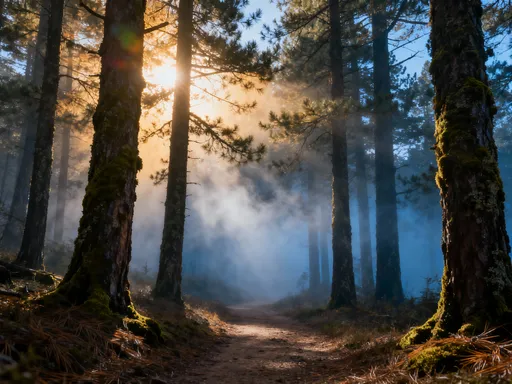
The forested area around Wright Park stretches along Governor Pack Road, forming a natural corridor of native Benguet pines (Pinus kesiya). These trees, adapted to the highland climate, grow in dense clusters, their trunks often draped in moss and ferns. Early morning visits reveal a magical atmosphere—sunbeams filter through the canopy, illuminating patches of fog that drift between the trees like ghosts. This ethereal quality makes the area a favorite among photographers seeking moody, atmospheric shots.
Walking along the shaded pathways, visitors are immediately struck by the silence. The thick layer of pine needles on the ground absorbs sound, creating a hushed environment ideal for meditation or quiet contemplation. The air is noticeably fresher here, rich in terpenes released by the trees, which some studies suggest can boost mood and reduce stress. For families, the park offers a safe, open space where children can run freely under the watchful shade of the pines.
From a visual standpoint, the vertical lines of the trees provide strong compositional elements, especially when photographed from below or using a wide-angle lens. The contrast between dark bark and soft green foliage adds depth to images, while foggy conditions enhance drama. To avoid crowds, it’s best to visit on weekday mornings or during the rainy season, when fewer tourists are around. Even then, the experience remains uplifting—a reminder that nature’s simplest forms can have the most profound impact.
Mines View Park: Panoramic Vistas with a Story
Rising above the city on a ridge along Kennon Road, Mines View Park offers one of Baguio’s most iconic viewpoints. From this vantage point, the vast Benguet valley unfolds below, a patchwork of rolling hills, terraced farms, and distant mountain ranges. On clear days, the view stretches for miles, making it a must-stop for first-time visitors. But beyond the scenery lies a deeper narrative—one of transformation and resilience.
In the early 20th century, this spot was used by American engineers and miners to oversee operations in the nearby copper and gold mines. Today, those mines are largely inactive, and the landscape has undergone significant ecological recovery. The shift from extraction to conservation is symbolized by the park itself, which now serves as a space for appreciation rather than exploitation. Wooden viewing decks and souvenir stalls run by local Igorot families dot the area, offering handmade crafts, woven bags, and traditional snacks like roasted sweet potatoes.
For photographers, Mines View Park presents endless opportunities. The panoramic vista is especially striking at sunrise, when the first light bathes the valley in warm gold. Many visitors drape themselves in native-patterned shawls for photos, adding cultural authenticity to their images. However, it’s important to ask permission before photographing people and to support artisans by purchasing their goods rather than taking pictures without engagement. This simple act fosters respect and contributes directly to the local economy.
Environmental awareness is crucial here. Littering remains a challenge, particularly with snack wrappers and plastic bottles left behind by careless tourists. Park authorities have installed waste bins and signage promoting responsible behavior, but enforcement relies heavily on visitor cooperation. Staying within designated viewing areas prevents soil erosion on the steep slopes, while avoiding loud noises helps preserve the peaceful ambiance. By treating Mines View not just as a backdrop but as a living landscape with history and community ties, visitors can deepen their connection to the place.
The Hidden Trail: Bell Church and Asin Road
For those willing to step off the beaten path, the trail connecting Bell Church and Asin Road offers a quieter, more introspective experience. Bell Church, officially known as the Baguio Evangelical Church, is set within a tranquil garden complex that blends Chinese architectural elements with the natural mountain setting. Its curved roofs, red pillars, and ornate carvings stand in harmony with the surrounding greenery, creating a serene atmosphere perfect for reflection. The adjacent meditation garden features koi ponds, stone lanterns, and winding paths lined with camellias and azaleas.
From Bell Church, a footpath leads downhill toward Asin Road, an old salt trail historically used by indigenous traders to transport sea salt from the coast to the highlands. The name “Asin,” meaning salt in Filipino, pays homage to this heritage. Today, the road doubles as a hiking route shaded by towering firs and tree ferns. The air here is cooler and damper, supporting a rich understory of mosses, lichens, and wild orchids. Birdwatchers may spot the flame-templed babbler or the Luzon hornbill, both native to the region.
This route is ideal for capturing candid, intimate moments. Morning light filters through the canopy in soft beams, creating a dappled effect on the forest floor. Unlike more crowded sites, this trail sees fewer visitors, allowing for peaceful walks and uninterrupted photography. The absence of commercial stalls and loudspeakers enhances the sense of solitude, making it a favorite among locals seeking quiet time in nature.
Because it is less maintained than major parks, hikers should wear sturdy shoes and bring water. There are no restroom facilities along the way, so preparation is key. But for those who value authenticity over convenience, this trail offers a rare glimpse into Baguio’s quieter side—one where history, nature, and stillness converge. It’s a reminder that some of the most beautiful experiences are found not in grand vistas, but in the subtle details: a dew-covered spiderweb, the sound of a distant stream, the scent of damp earth after rain.
Sustainable Exploration: How to Visit Without Harming
As tourism to Baguio’s protected areas increases, so does the responsibility to protect them. One of the most effective ways visitors can help is by staying on marked trails. These paths are designed to minimize impact on fragile vegetation and prevent soil erosion, especially on steep slopes. Straying off-trail may seem harmless, but repeated foot traffic can damage root systems, compact soil, and disrupt habitats for small animals and insects. In highland ecosystems, recovery is slow due to cooler temperatures and shorter growing seasons, making prevention critical.
Another essential practice is the “pack-in, pack-out” rule. While trash bins are available in major parks, not all areas are regularly serviced, and wind can scatter lightweight waste into nearby forests. Single-use plastics, in particular, pose a serious threat—they take centuries to decompose and can harm wildlife that mistakes them for food. Bringing a reusable water bottle, snack container, and shopping bag significantly reduces one’s footprint. Some eco-conscious visitors even carry small trash bags to pick up litter left by others, turning their trip into a mini cleanup mission.
Supporting community-led initiatives is another powerful way to contribute. Several local organizations offer guided nature walks led by trained residents who share ecological and cultural insights. These tours not only provide accurate information but also ensure that tourism revenue stays within the community. Fees from such programs often fund reforestation projects, waste management, and environmental education for youth. Choosing these experiences over commercialized alternatives helps sustain both the environment and the people who protect it.
Mindful photography is equally important. While capturing beautiful images is a natural impulse, it should never come at the expense of the subject. Climbing on trees, disturbing birds for better angles, or trampling flowers for a perfect shot undermines conservation efforts. Instead, photographers can use zoom lenses, wait patiently for natural moments, and respect distance markers. Sharing photos online offers a chance to promote awareness—captioning images with conservation messages or tagging local eco-groups can inspire others to visit responsibly. Beauty, when paired with responsibility, becomes a force for good.
Wrapping Up: More Than Just Pretty Pictures
Baguio’s protected areas are more than scenic backdrops for social media—they are living ecosystems shaped by history, culture, and collective care. Each pine tree, each winding trail, each clear mountain stream tells a story of resilience and stewardship. To visit them is a privilege, not a right, and with that privilege comes the duty to preserve their integrity for future generations.
When we choose to tread lightly, to learn before we share, and to support local efforts, we become part of the solution rather than a source of strain. These spaces do not exist solely for our enjoyment; they are homes to countless species, sources of clean water and air, and sacred grounds for indigenous communities. Recognizing this shifts our perspective from consumer to guardian.
So the next time you plan a trip to Baguio, go beyond the checklist of must-see spots. Seek out quiet trails, listen to local voices, and carry out everything you bring in. Share not just your photos, but your commitment to protecting these places. Let your presence be gentle, your impact minimal, and your respect unwavering. In doing so, you help ensure that the magic of Baguio’s highland sanctuaries endures—not as a fleeting trend, but as a lasting legacy of harmony between people and nature.